
Key takeaways
- A Diagnostic Trouble Code (DTC) is a specific code generated by your vehicle's onboard computer when it detects a malfunction.
- These codes are crucial for pinpointing engine, transmission, or emissions issues before they lead to major, expensive failures.
- Ignoring DTCs can result in poor fuel mileage, failed pollution checks, heavy challans, and unexpected roadside breakdowns.
- Modern fleet systems can read these codes remotely, turning reactive repairs into proactive, planned maintenance.
- Understanding DTCs allows fleet owners to take control of vehicle health, reducing downtime and operational costs significantly.
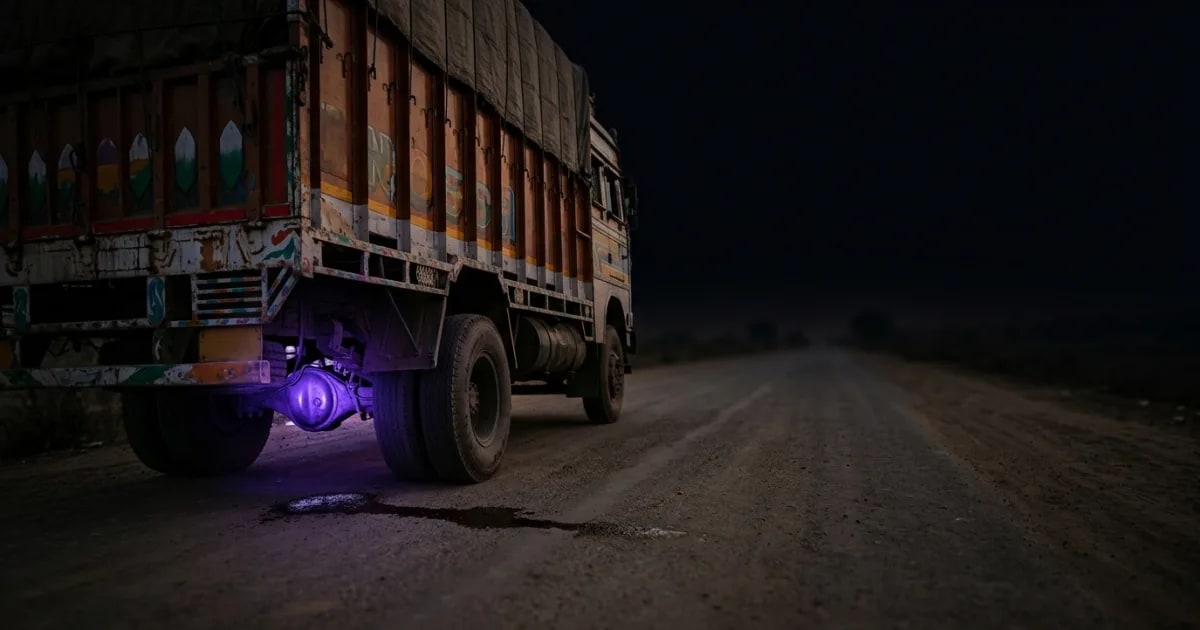
A DTC fault code is a standardized five-character alphanumeric code generated by a vehicle’s On-Board Diagnostics (OBD) system. This code pinpoints a specific malfunction detected by the Engine Control Unit (ECU). The first character is a letter indicating the system: 'P' for Powertrain (engine, transmission), 'B' for Body, 'C' for Chassis, and 'U' for Network Communication. The second character, a number, signifies if the code is generic ('0') or manufacturer-specific ('1'). The remaining three characters identify the exact fault. For instance, code P0420 indicates “Catalyst System Efficiency Below Threshold.” The OBD-II system, mandatory for most vehicles, generates these codes to help technicians quickly diagnose issues. This system standardisation is overseen by bodies like ARAI in India. By translating these codes, fleet managers can address small problems before they cause a major breakdown, saving thousands in repair costs and lost revenue.
What is a DTC Fault Code, Exactly?
Think of that little orange light on your dashboard. The check engine light. It’s not just a random warning. It’s an alert that your truck’s brain, the computer, has logged a problem. That problem is recorded as a specific code. That’s your DTC.
Diagnostic Trouble Code (DTC) is the formal name for these error codes. They are created by your vehicle's computer system whenever a sensor reports a reading that is outside its normal operating range. For instance, if an oxygen sensor's voltage is too low for too long, the computer logs a DTC related to that sensor.
This all happens thanks to the OBD system. On-Board Diagnostics (OBD-II) is a standardized system in all modern vehicles that monitors emissions, mileage, speed, and other key engine data. It’s the gatekeeper of your truck’s health. When it finds a problem, it triggers the check engine light and stores the relevant DTC.
Decoding the Alphabet Soup: How to Read a DTC
At first glance, a code like 'P0301' looks like gibberish. But it’s a language. A very specific one. Every DTC has five characters, and each character tells you something important.
- First Character (Letter): This tells you which vehicle system has the fault. P is the most common for fleet trucks.
- Second Character (Number): This tells you if the code is generic (SAE standard) or manufacturer-specific. '0' is generic, while '1' is specific to a brand like Tata or Ashok Leyland.
- Third Character (Number): This points to the specific subsystem. For example, in a P-code, '3' often relates to the ignition system.
- Fourth and Fifth Characters (Numbers): These two digits pinpoint the exact issue.
Here's a simple table to make sense of the first letter:
| Code Letter | System Area | Common Issues |
|---|---|---|
| P | Powertrain. | Engine, transmission issues. |
| B | Body. | Airbags, seats, lights. |
| C | Chassis. | Brakes, steering, suspension. |
| U | Network. | Module communication errors. |
Common DTCs That Cripple Indian Fleets
We see the same few codes causing the biggest headaches for transport businesses. These aren't just minor annoyances. They are warnings of future breakdowns and heavy challans.
For example, a recurring P0420 code (Catalyst System Efficiency) means your truck is polluting more than it should. An RTO babu with a pollution checker will have a field day with that, and you could face a hefty fine as per the rules on the eChallan portal. Another one we see often is P0171 (System Too Lean), which points to a fuel delivery problem. Ignore it, and you risk engine damage far from any workshop.
These codes directly impact your bottom line. Poor engine performance from an unaddressed fault leads to more diesel consumption. A faulty sensor could lead to a complete engine shutdown in the middle of a critical delivery from Delhi to Mumbai.
The Old Way vs. The Smart Way: From Workshop to Control Tower
The old way of handling a check engine light is a joke. Your driver, hundreds of kilometres away, sees the light. He either ignores it or stops at a highway dhaba to ask a local mechanic. That mechanic pulls out a cheap scanner, reads the code, and often just clears it without fixing the root cause. The light goes off, the driver is happy, and you are blind to the problem festering in your engine.
The smart way is to see the problem the moment it happens. From your office. Our platform provides remote OBD diagnostics that pull these DTCs in real-time. You get an alert on your dashboard in seconds.
And here’s the best part. We have a Hardware-Agnostic AI Control Tower. This means you don't have to throw away your existing GPS devices to use our advanced software. We can integrate with them. This saves you a huge upfront cost. If you are looking for new hardware, you can check guides on the best OBD GPS trackers, but you don't have to buy from us to use our software.
Engine Control Unit (ECU) is the truck's central computer, responsible for managing the engine's performance and logging these critical fault codes.
Beyond the Code: Predictive Maintenance is the Real Goal
Getting a DTC alert is reactive. The real magic is using that data to become proactive. That's predictive maintenance.
Predictive Maintenance is a strategy that uses data analysis to predict when a component might fail, so you can fix it before it breaks. Our methodology for this involves analyzing historical DTC data from thousands of vehicles. When our system sees a pattern of minor codes on one of your trucks that previously led to a major failure on another, it flags it.
This is where our world-first AI Voice Calling Agents come in. Imagine this: instead of just an alert on a dashboard, our AI agent proactively calls your fleet manager. It says, “Sir, Truck MH-04-X-5555 on the Bangalore route is showing repeated P0128 codes for engine coolant temperature. Please have the driver check the coolant level at the next stop to prevent overheating.” This is not science fiction. This is how the best fleet management software should work.
And we do all this with a guarantee of Data Sovereignty. Our software is built in India for India. Your fleet’s sensitive operational and engine data stays on servers within our country, secure and protected.
Frequently Asked Questions about DTCs
- What is the difference between a DTC and the check engine light? The check engine light is just a general warning indicator. The DTC is the specific code that tells a technician exactly what the computer has identified as the problem.
- Can I clear a DTC fault code myself? You can with a basic OBD-II scanner, but it's a bad idea. Clearing the code erases important data that a mechanic needs for diagnosis and doesn't fix the underlying problem. The light will just come back on.
- How many DTC codes can a vehicle store? Most ECUs can store multiple codes at once. They are often stored as 'active' or 'pending' codes, giving a full picture of the vehicle's health issues.
- Are all DTC scanners the same? No. Basic scanners only read generic P-codes. Professional-grade tools can read manufacturer-specific codes across all systems (Body, Chassis, Network) and provide live sensor data, which is essential for a proper diagnosis.
Stop letting a small engine fault turn into a business-killing breakdown. It's time to listen to what your trucks are trying to tell you. By understanding what a DTC fault code is and using modern tools to monitor them, you can take back control of your fleet's health and your company's profits. To learn more about our approach, you can read about us at MoboSafe here or contact us directly for a demo.
Reviewed by the MoboSafe editorial team.
Tags
Written by
MoboSafe Expert Team
Logistics Technology Specialist
Contributing writer at MoboSafe.