Key takeaways
- Dashcam footage provides an objective record of road incidents, which reduces claim disputes.
- Insurers may offer better premium rates to fleets that can show a data-proven safety program.
- AI-powered alerts help correct risky driving habits before an accident occurs.
- Organised video evidence can make the insurance claim settlement process much faster.
- Driver coaching based on specific video clips helps build a safer fleet culture over time.
Video telematics directly lowers insurance costs by providing undeniable proof of events. It replaces guesswork with data. AI dashcams capture not just video but also context, such as G-force spikes from sudden impacts, harsh braking events, and alerts from Advanced Driver Assistance Systems (ADAS). This data helps you prove your driver was not at fault in an accident, challenge fraudulent claims, and show a proactive safety culture to insurers at renewal. For instance, a time-stamped video showing another car cutting sharply in front of your truck immediately counters a false claim of a rear-end collision. This evidence shifts liability. It protects your company’s claims history, which is a key factor insurers use to calculate premiums. By presenting a data-backed case of reduced risk, you create a strong position to negotiate better terms, rather than just asking for a discount. It is about proving your fleet is a safer bet.
The Problem with Traditional Accident Claims
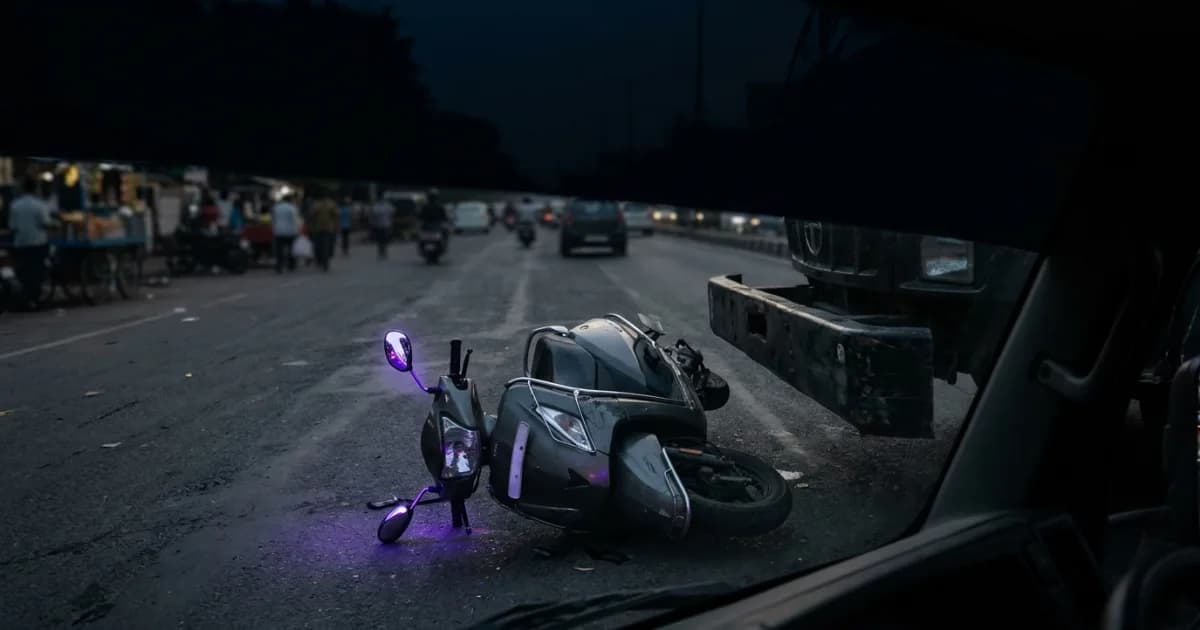
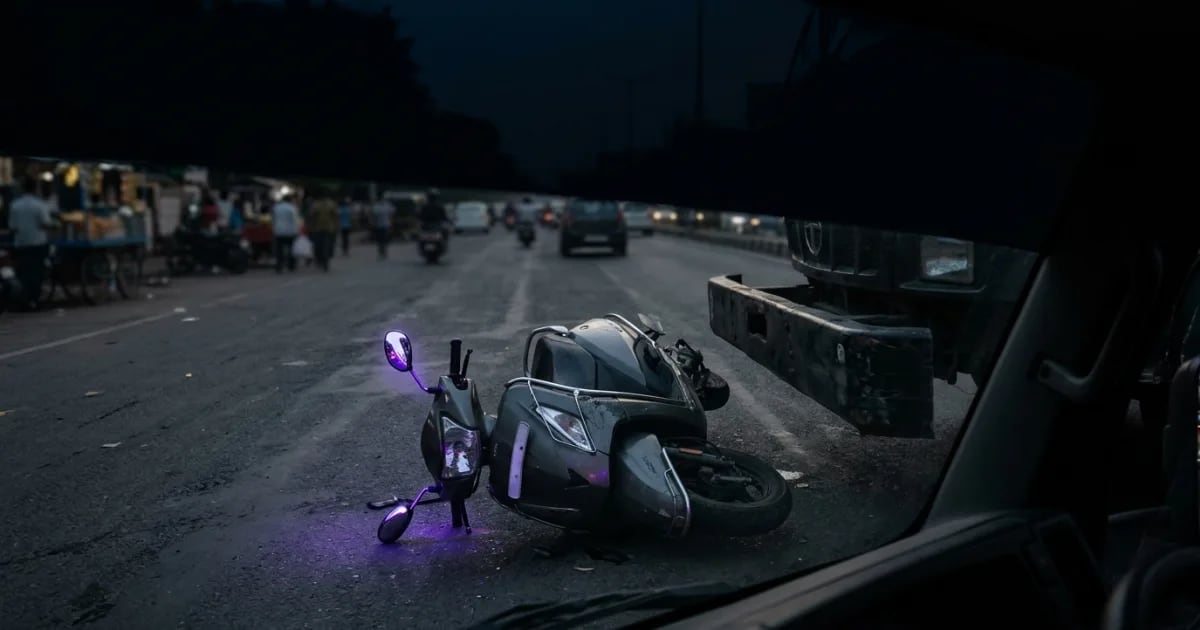
When a truck is in an accident, the story is rarely simple. Without clear proof, claims turn into one person's word against another. Drivers give their statements. Witnesses might give conflicting views. In many road incidents, the larger vehicle is automatically presumed to be at fault, regardless of the facts. This puts fleet operators at an immediate disadvantage.
The process that follows is slow and full of paperwork. It can take months to settle a claim. During this time, your vehicle may be off the road, and your cash flow suffers. A poor claims history, even if based on unfair blame, leads to higher premiums year after year. This cycle is expensive. It is frustrating. It hurts your business.
Third-Party Liability is a legal term for your responsibility to pay for damages you cause to another person or their property. In transport, this is a major part of your insurance coverage and a big source of costs.
Video Evidence Creates a Single Source of Truth
A dashcam changes everything. It captures exactly what happened. No more debates or conflicting stories. The video is a silent, unbiased witness that works for you 24/7. This simple change shifts the power back to you during claim talks.
For example, staged accidents, where people cause a crash on purpose to claim insurance, are a real problem. Without video, it is very hard to prove your driver was a victim. With video, a fraudulent claim is exposed in seconds. This saves you from a costly settlement and a black mark on your insurance record.
Modern systems do more than just record. An advanced Dashcam with AI can detect events like harsh braking or a potential collision. It automatically saves the relevant video clip. This means you have the proof you need, right when you need it.
First Notification of Loss (FNOL) is the initial report made to an insurance provider after a loss, theft, or damage of an insured asset. Video clips make this report accurate and fast.
Building Your Data-Backed Case for Insurers
Reducing your insurance premium is not just about proving your innocence after a crash. It is about proving your fleet is a low risk before renewal talks even begin. This is where continuous monitoring helps. By tracking driver behaviour, you collect data that shows a commitment to safety. For instance, you can track metrics such as:
- Harsh braking incidents.
- Sudden acceleration.
- Speeding alerts.
- Lane departure warnings.
When you present this data to your insurer, you are not just saying your fleet is safe. You are proving it. You can show a trend of fewer safety events over time. This kind of proactive risk management is what underwriters look for. They want to insure businesses that actively work to prevent losses. Finding the best AI dashcams in India involves looking for features that provide this level of detailed, actionable data.
| Scenario | Without Video Evidence | With Video Evidence |
|---|---|---|
| Accident Report | Driver statement only. | Verifiable video proof. |
| Claim Filing | Slow, paper process. | Fast digital submission. |
| Renewal Talks | Based on claim history. | Based on safety data. |
| Driver Review | Based on complaints. | Based on real events. |
Using Video for Positive Driver Coaching
Video telematics should not be a tool for punishment. It is one of the most effective tools for training and driver development. Instead of telling a driver they brake too hard, you can show them a video clip of a specific event. This opens a productive conversation.
This approach builds trust. Drivers see that the goal is to make them safer and protect them from false accusations. A good coaching program uses video to highlight both risky actions and good defensive driving. For example, you can praise a driver for safely avoiding a hazard that the camera captured. This positive reinforcement is powerful. A well-managed program to handle Fleet Insurance Claims starts with a well-trained, safe driving team.
Driver Scorecard is a report that grades a driver’s performance based on telematics data like speed, braking, and adherence to company rules.
Navigating Road Safety and Compliance
Using video telematics aligns with a broader focus on road safety. The scale of the problem is large; road traffic crashes are a leading cause of death globally, as noted in a WHO road traffic injuries fact sheet. By monitoring your fleet, you contribute to safer roads. This data is also useful for internal compliance. It ensures drivers follow company policies and traffic laws.
For example, if a driver receives an unjust traffic challan, video footage can be used to contest it. This protects the driver and the company’s record. Our methodology for this article involved reviewing official guidance from sources like the Ministry of Road Transport and Highways to understand the regulatory landscape. This data helps you run a more compliant and safer operation. An organised system to manage telematics data from each trip helps you build this safety case over time.
Telematics Data are data points sent from a device in a vehicle, such as location, speed, engine status, and G-force readings.
Frequently Asked Questions
Will my insurance premium go down immediately after installing dashcams?
Not always immediately. You often need to collect a few months of safety data to show your insurer a measurable reduction in risk. The biggest impact comes at your policy renewal when you can negotiate with proof.
What kind of video evidence is most useful for claims?
Clear, high-resolution video that shows the moments before, during, and after an incident is best. Footage with a date, time, vehicle speed, and location stamp is even stronger.
Can dashcam footage be used against my driver?
Yes, if the footage shows your driver was at fault. This is why video telematics should be paired with a driver coaching program. The goal is to correct risky behaviour and prevent accidents from happening in the first place.
How does MoboSafe help manage video evidence for insurance?
MoboSafe connects telematics data with your fleet operations. It can help you organize incident videos, link them to specific trips and vehicles, and build the safety reports you need for insurance discussions. To learn more, read about our company here or contact us for a demo.
Related MoboSafe workflows
Review the documented product scope and setup requirements for these related operational tasks.
Fleet Insurance Claims
Organise fleet insurance claims with incident records, supporting documents, survey status, settlement details, and claims reports.
Fleet Asset Management
Manage fleet vehicles, trailers, equipment, ownership, insurance documents, device assignments, and utilisation in MoboSafe.
Driver Management
Manage driver profiles, licence documents, vehicle assignments, verification reviews, performance scores, and driver dashboards.
Tags
Written by
MoboSafe Expert Team
Logistics Technology Specialist
Contributing writer at MoboSafe.