Key takeaways
- Video telematics provides objective evidence to contest fault in road accidents.
- A documented history of safe driving supports negotiations for lower insurance premiums.
- AI dashcams can automatically flag risky events for immediate driver coaching.
- Organising claim documents digitally speeds up the submission and review process.
- Integrating video with trip data gives a complete and verifiable picture of any incident.
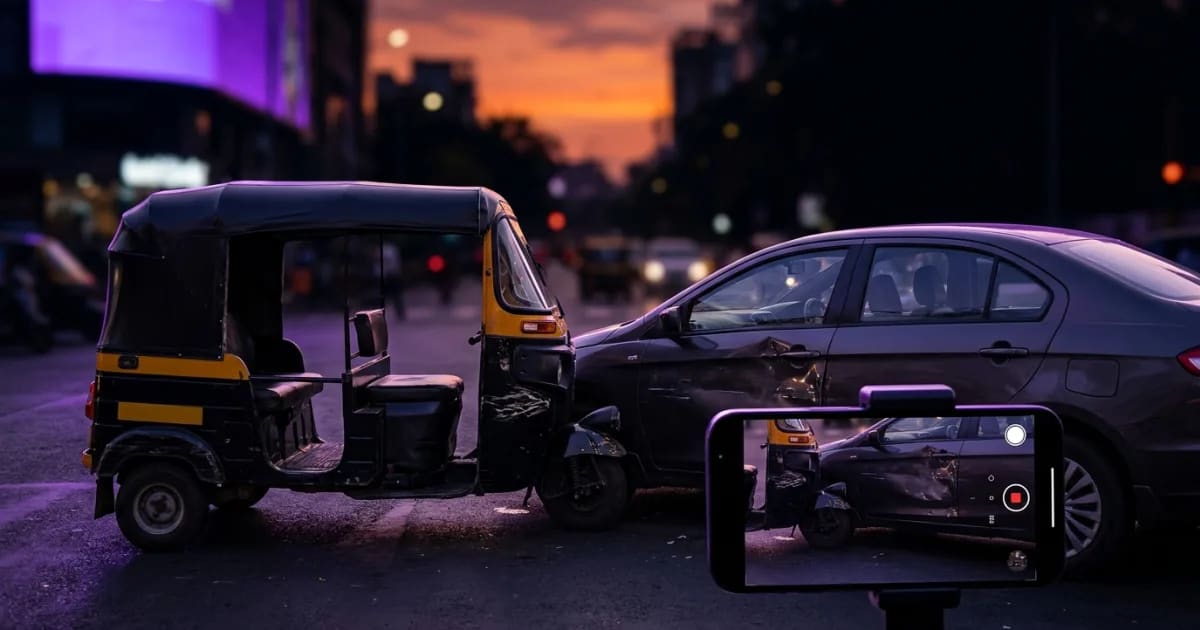
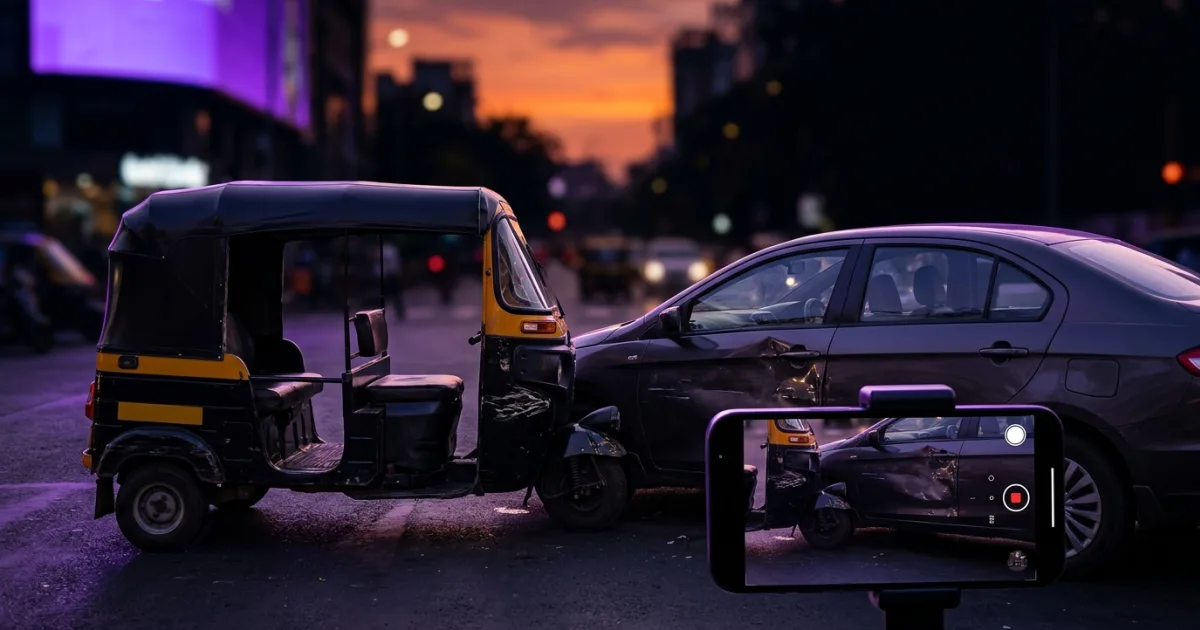
Video telematics offers a powerful tool for contesting denied insurance claims. When an incident occurs, an integrated system captures timestamped video, GPS location, and vehicle speed data. This evidence provides clear, objective context that is difficult to dispute. For instance, if another driver causes a collision, your video footage can prove your driver's innocence. This is far more effective than relying on inconsistent witness statements or ambiguous police reports. A strong evidence package can lead to faster claim settlements and the reversal of initial denial decisions. Over time, building a portfolio of such evidence demonstrates your fleet's commitment to safety. This record of low-risk operation becomes a strong negotiating tool with insurers at renewal, supporting your case for more favourable premium rates. It transforms your insurance from a fixed cost into a managed risk expense.
Why Insurers Deny Commercial Vehicle Claims
Insurance providers scrutinize every commercial vehicle claim. They look for reasons to limit their payout. A denial can happen for many reasons. Sometimes it is due to clear driver error. Other times, it involves a policy violation. For example, using an unauthorized driver or operating outside a permitted area can void coverage.
The most frustrating denials come from a lack of clear evidence. Without proof, the situation becomes one person's word against another's. The insurer may side with the other party or declare a shared fault, leaving you with the bill. This is where the Burden of proof is your responsibility. You must show that your driver was not at fault. Paper reports and witness accounts are often not enough to meet this standard.
The Power of Context: Beyond Simple Video Footage
Basic video footage is a good start. But a video clip alone does not tell the whole story. Real power comes from integrated data that provides undeniable context. Modern systems link video directly to vital trip information.
Imagine an accident where your truck is blamed for speeding. A simple video might not show the speed clearly. An integrated Dashcam system, however, pairs the video with GPS data. This data proves your vehicle’s exact speed at the moment of impact. It can show the truck was well within the legal limit. This changes the entire narrative of the claim.
This level of detail is useful for many situations. For instance, it can prove a driver was not using a mobile phone. It can also show they were driving within their designated hours. This data builds a strong, verifiable record for every incident.
Building a Case for Your Next Insurance Renewal
Using video evidence is not just for fighting individual claims. It is a long-term strategy to improve your fleet's risk profile. Every time you use video to prove non-fault, you are building a case for lower premiums. Insurers base their pricing on risk. A fleet that can consistently prove it is not the cause of accidents is a lower risk.
Your goal is to improve your Loss ratio is the measure of claims paid out versus premiums collected by the insurer. A lower loss ratio for your fleet makes you a more attractive client.
Here is how the process differs with and without video:
| Stage | Without Video Evidence | With Video Evidence |
|---|---|---|
| Incident Report | Relies on driver memory. | Objective, instant record. |
| Fault Assessment | Often disputed. Lengthy. | Clear, factual, fast. |
| Claim Processing | Delayed by investigation. | Faster validation. |
| Renewal Impact | Higher perceived risk. | Demonstrated low risk. |
For example, at renewal, you can present a report showing ten incidents over the year. With video proof, you can show that in eight of those cases, your driver was not at fault. This is powerful leverage in a negotiation.
Training Drivers and Reducing Risk with AI
The best way to lower insurance costs is to prevent accidents from happening at all. This is where Artificial Intelligence in dashcams becomes a game changer. These smart cameras do more than just record. They actively monitor the road and the driver.
AI can detect risky events in real time. These include things like harsh braking, sudden acceleration, sharp turns, and tailgating. When the system detects a pattern, it can alert the fleet manager. This allows for proactive driver coaching. The Driver behaviour analysis is the process of using this data to identify risks and improve skills.
Our methodology for evaluating systems involves reviewing features across the best AI dashcams in India, referencing standards from bodies like the ARAI for a full comparison. For instance, a manager can review a video clip of a near-miss caused by tailgating. They can then sit with the driver, show them the footage, and explain the danger. This targeted training is far more effective than general safety talks.
Organising Your Evidence for a Faster Payout
Having great evidence is only half the battle. You also need to present it effectively. A messy, incomplete submission can cause delays, even with video proof. Insurers require a complete claim file is a collection of all documents related to the incident.
A modern fleet management platform helps you organize this. You can create a digital file for each incident that includes:
- The video footage and telematics data.
- Digital copies of the First Information Report (FIR).
- Driver and witness statements.
- Photos of the damage.
Using a dedicated Fleet Insurance Claims module ensures all necessary papers are in one place. For example, after an accident, the fleet manager can upload all items from their phone. The system links them to the specific vehicle and trip. This creates a professional, complete package that can be sent to the insurer instantly. It shows you are organized and serious, which can speed up the entire process.
Legal and Compliance Checks
Before you submit any claim, you must ensure your own house is in order. An insurer will look for any reason to deny a claim, including compliance issues. Your vehicle must have a valid fitness certificate, permit, and insurance policy. If any of these have expired, your claim will likely be rejected, regardless of who was at fault.
A compliance check is a review to ensure all vehicle and driver documents are valid and up to date. You can verify the status of vehicle registration and fitness through official portals like the MoRTH Parivahan Sewa website. Integrating these checks into your regular operations is critical. It prevents simple administrative errors from turning into major financial losses.
Video telematics is an investment in truth. It protects your drivers from false accusations and your business from unfair costs. To learn more about how our platform can help, please read about our work on our about page or contact us for a demonstration.
Frequently Asked Questions
Can dashcam footage be used as evidence in Indian courts?
Yes, video and electronic records are generally admissible as evidence in Indian courts under the Indian Evidence Act, 1872. The footage must be authentic and not tampered with to be considered valid.
Do all insurance companies in India offer discounts for dashcams?
Direct upfront discounts are not guaranteed across all insurers. However, a strong safety record, proven by telematics data, is a powerful negotiating tool during premium renewals. It allows you to demonstrate a lower risk profile for your fleet.
What is the difference between a normal dashcam and a telematics dashcam?
A normal dashcam only records video. A telematics dashcam, often called a smart dashcam, integrates video with other data streams like GPS location, speed, accelerometer readings for G-force, and sometimes AI-powered event detection.
How does video evidence help with fraudulent 'crash-for-cash' claims?
Video footage is one of the most effective ways to combat fraudulent claims. It can clearly show if another vehicle deliberately caused an accident, such as braking suddenly for no reason. This irrefutable proof can protect you from paying out on staged events.
Related MoboSafe workflows
Review the documented product scope and setup requirements for these related operational tasks.
Fleet Insurance Claims
Organise fleet insurance claims with incident records, supporting documents, survey status, settlement details, and claims reports.
Fleet Asset Management
Manage fleet vehicles, trailers, equipment, ownership, insurance documents, device assignments, and utilisation in MoboSafe.
Driver Management
Manage driver profiles, licence documents, vehicle assignments, verification reviews, performance scores, and driver dashboards.
Tags
Written by
MoboSafe Expert Team
Logistics Technology Specialist
Contributing writer at MoboSafe.