Key takeaways
- Continuous temperature monitoring is the only reliable way to ensure cold chain compliance.
- Real-time alerts for temperature deviations allow for immediate corrective action, saving cargo.
- Historical temperature reports serve as undeniable, auditable proof for clients and regulators.
- Integrating temperature data with trip details creates a single, trusted record for each consignment.
- Digital records eliminate the errors and potential fraud associated with manual paper logs.
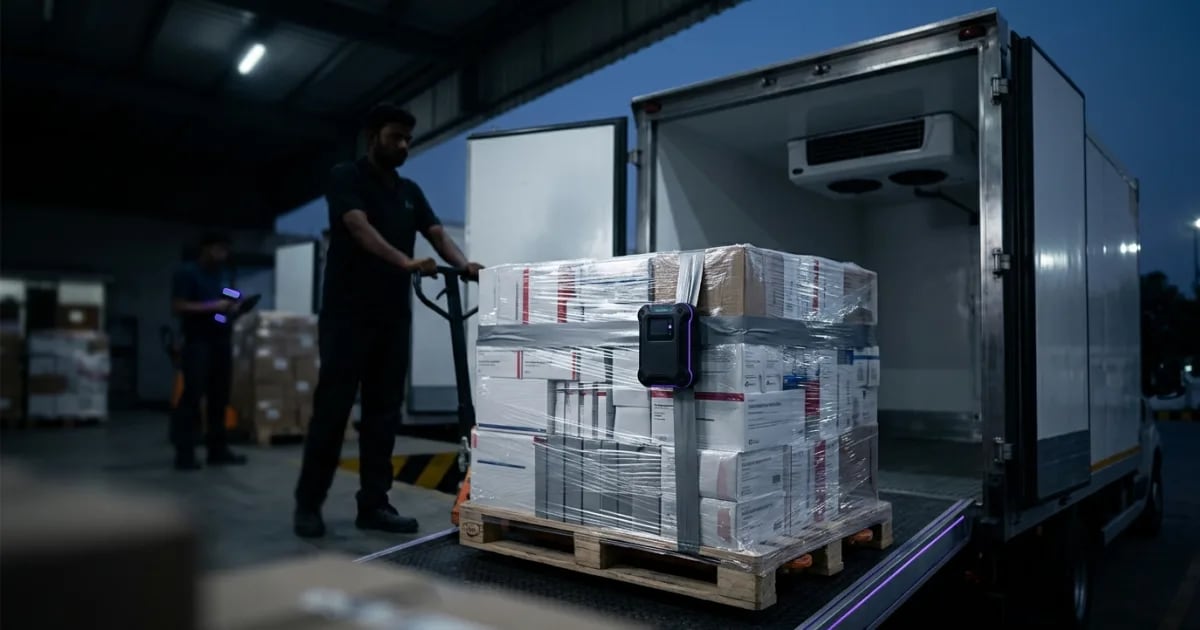
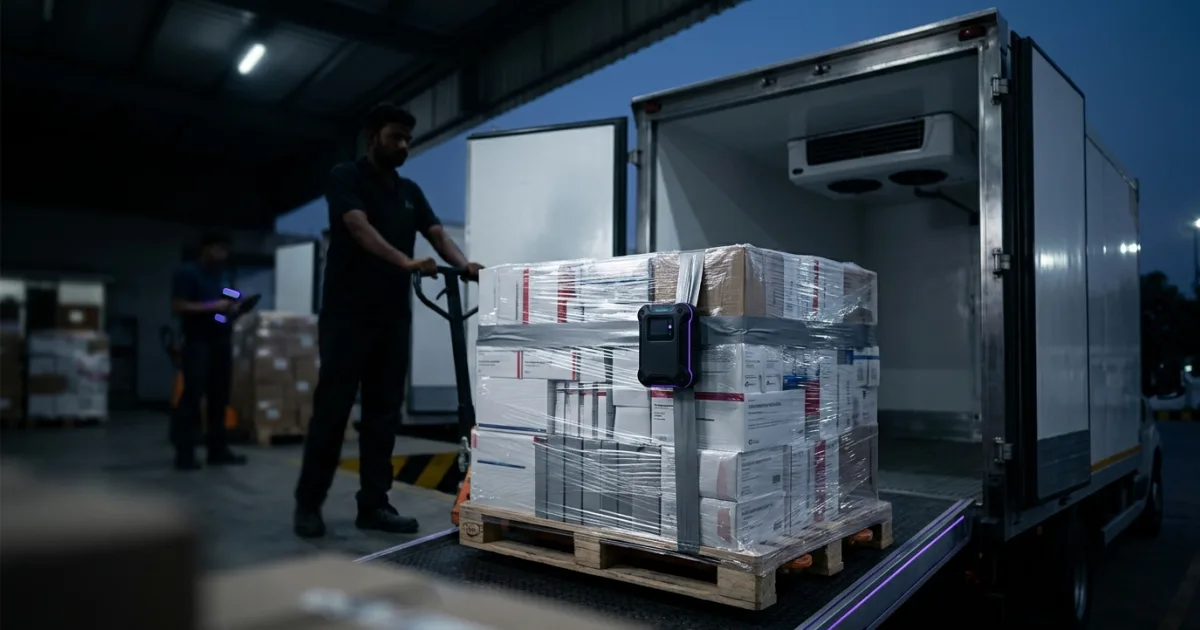
Protecting temperature-sensitive cargo requires more than just a running refrigeration unit. It demands continuous, verifiable proof. For shipments like pharmaceuticals, which often need to be kept between 2°C and 8°C, or frozen goods that must stay below -18°C, any deviation can result in total loss. An effective cold chain monitoring system uses wireless sensors inside the container that transmit data to a GPS device. This device then sends location-stamped temperature readings to a central platform. This creates an unbroken digital record of the cargo's environment throughout the entire journey. Fleet operators can set up instant alerts for any temperature excursion or unauthorized door opening. This allows for immediate intervention. This data generates auditable reports that prove compliance to clients, justifying premium service charges and preventing costly disputes. It is the modern standard for cold chain logistics.
The High Cost of a Broken Cold Chain
Transporting perishable goods is a high-stakes operation. A single failure can wipe out the profit from dozens of successful trips. The consequences go beyond the lost cargo. They include contractual penalties, damage to your business reputation, and the loss of valuable clients. Imagine a truck carrying a full load of critical vaccines. If the temperature rises above the safe limit for even a short period, the entire shipment could be rendered useless. The financial loss is huge. The trust of the pharmaceutical client is broken.
This is why robust monitoring is not a luxury. It is a core business need. Cold chain is a temperature-controlled supply chain. It involves the constant refrigeration of products from the point of origin to the final consumer. This ensures their quality and safety. For instance, fresh produce, dairy products, and certain chemicals all depend on an unbroken cold chain. A single weak link can compromise the entire process.
Moving Beyond Manual Temperature Logs
For years, many operators relied on manual temperature logs. A driver would periodically check a thermometer and write the reading in a logbook. This system is full of problems. It is prone to human error. Readings can be missed, forgotten, or worse, falsified to hide a problem. There are no real-time warnings. A problem is often only discovered at the destination, when it is far too late to fix.
A temperature excursion is a deviation from a predefined temperature range for a product. Automated systems detect these excursions instantly. They provide a level of security that paper logs can never match. Let's compare the two approaches.
| Feature | Manual Logs | Automated Monitoring |
|---|---|---|
| Data Accuracy | Prone to human error. | Sensor-based precision. |
| Real-time Alerts | None. | Instant SMS or app alerts. |
| Historical Proof | Easily disputed. | Auditable digital reports. |
| Tampering Risk | High risk of falsification. | Secure and tamper-proof. |
The Technology Behind Unbroken Proof
Modern cold chain integrity relies on a few key components working together. It starts with sensors. Small, wireless sensors are placed inside the refrigerated container with the cargo. These devices measure temperature and sometimes humidity at regular intervals, such as every five minutes.
These sensors transmit their data to a nearby device. A sensor gateway is a device, typically a GPS tracker, that receives data from wireless sensors and transmits it to a server. This links the precise temperature reading with a specific time and a GPS location. This combined data packet is then sent via the cellular network to a central platform like MoboSafe. This provides a complete picture of the cargo's condition and location at all times. The platform makes the data visible on a dashboard for the transport manager.
- Wireless sensors are placed inside the container.
- They transmit temperature data via Bluetooth.
- The vehicle's GPS Tracking device acts as a gateway, receiving the data.
- It sends the combined location and temperature data to the cloud.
How to Use Temperature Data for Your Business
Collecting data is only the first step. The real value comes from how you use it to protect your cargo, satisfy your clients, and improve your operations. The right platform turns raw data into actionable business intelligence.
Proactive Alerts and Corrective Actions
The most important feature is the ability to act before a problem becomes a disaster. You can configure alerts for specific temperature thresholds. For example, if a container for chilled goods goes above 8°C, an alert is sent instantly to the fleet manager and the driver. The manager can call the driver to check the reefer unit's settings or see if a door was left open. This immediate response can often save the shipment. Many of the best fleet management software solutions offer this capability as a key feature for specialised logistics.
Building Trust with Auditable Reports
When a client questions whether the temperature was maintained, you need proof. With an integrated system, you can generate a detailed report for any trip. This report can show a graph of the temperature from the moment of loading to the moment of unloading. It is timestamped and mapped to the vehicle's route. This kind of transparent, undeniable evidence builds immense trust. It transforms disputes into simple checks of the record. This proof is essential when managing high-value consignments within a comprehensive Trip Management system.
Integrating Cold Chain Data with Operations
True operational efficiency comes from connecting all your data. Temperature logs should not exist in isolation. They are part of a larger trip record that includes dispatch details, vehicle information, driver assignment, and delivery confirmation. A transport ERP is an integrated software system that manages all aspects of a transport business, from fleet and trips to accounting and HR.
When your temperature data is part of a transport ERP, you create a single source of truth. For instance, you can link the temperature compliance report directly to the trip's e-way bill and the final invoice. The trip's integrity is tied to its documentation, such as the e-way bill whose rules are available on the official eWay Bill portal. This seamless integration ensures that all compliance documents and operational data are stored together, making audits and client queries simple to handle. Our methodology for this article involved reviewing the core features of such integrated telematics systems against the operational challenges faced in Indian transport, which is governed by bodies like the Ministry of Road Transport and Highways.
If you have questions about how to implement this technology for your fleet, please contact us. Learn more about our company and our mission to help Indian transporters.
Frequently Asked Questions
What is cold chain monitoring?
Cold chain monitoring is the process of using technology, such as sensors and GPS, to track and record the temperature of sensitive goods during transport and storage. It ensures the products remain within a safe temperature range to maintain their quality.
Why are manual temperature logs not enough for Indian transporters?
Manual logs are unreliable. They are subject to human error, can be falsified, and do not provide real-time alerts if a problem occurs. For high-value cargo, this risk is too great. Automated monitoring provides accurate, tamper-proof data and instant warnings.
How do wireless temperature sensors work with a GPS tracker?
Wireless sensors inside the refrigerated container measure the temperature and send the data using Bluetooth to the vehicle's GPS tracking device. The GPS device combines this temperature data with its location and sends the complete record to a server for monitoring.
Can I get alerts if the temperature goes outside the safe range?
Yes. A key feature of modern systems is configurable alerts. You can set minimum and maximum temperature thresholds for each shipment. If the temperature goes outside this range, the system automatically sends an SMS, email, or app notification to designated staff.
How can I prove to my client that the temperature was maintained?
The system generates detailed historical reports for each trip. These reports show a continuous graph of the temperature from start to finish, mapped against the vehicle's route and timestamps. This digital record serves as verifiable proof of compliance.
Related MoboSafe workflows
Review the documented product scope and setup requirements for these related operational tasks.
Trip Management
Plan, monitor, and analyse fleet trips with vehicles, drivers, waypoints, documents, exception handling, and delivery records.
Geofencing & Fleet Alerts
Create vehicle geofences and configure entry, exit, dwell, speed, idle, harsh-driving, and device-offline alerts for your fleet.
Vehicle Inspections
Digital pre-trip, post-trip, and periodic vehicle inspections with configurable checklists, defect photos, and inspection history.
Fleet Reports & Analytics
Generate and schedule fleet, trip, driver, fuel, inventory, accounting, and HR reports with scoped filters and export options.
Tags
Written by
MoboSafe Expert Team
Logistics Technology Specialist
Contributing writer at MoboSafe.