Key takeaways
- Paper PODs often take days or weeks to return to the office, delaying invoicing.
- Electronic PODs provide instant proof of delivery, letting you bill the same day.
- Faster billing directly improves your company's cash flow and reduces working capital needs.
- Digital records are secure, searchable, and reduce the risk of lost or damaged documents.
- Using an ePOD system can reduce administrative work and disputes with customers.

Your transport business runs on cash flow. A delayed paper Proof of Delivery (POD) directly harms it by holding your payment cycle hostage. The typical paper process takes days or even weeks. A driver completes a delivery, gets a signature, and then must physically return that paper to the office before an invoice can be created. This gap between job completion and invoicing is a major drain on working capital. An electronic POD (ePOD) system solves this. The driver captures a digital signature, photos, and a timestamp on a mobile app at the delivery site. This data syncs to your office in real time. Your accounts team receives instant confirmation. They can generate and send the invoice on the same day the delivery is made. This simple change can shorten your Order-to-Cash cycle from weeks to hours. It ensures you get paid faster for the work you have already done, improving financial stability.
Why Paper Proof of Delivery Slows You Down
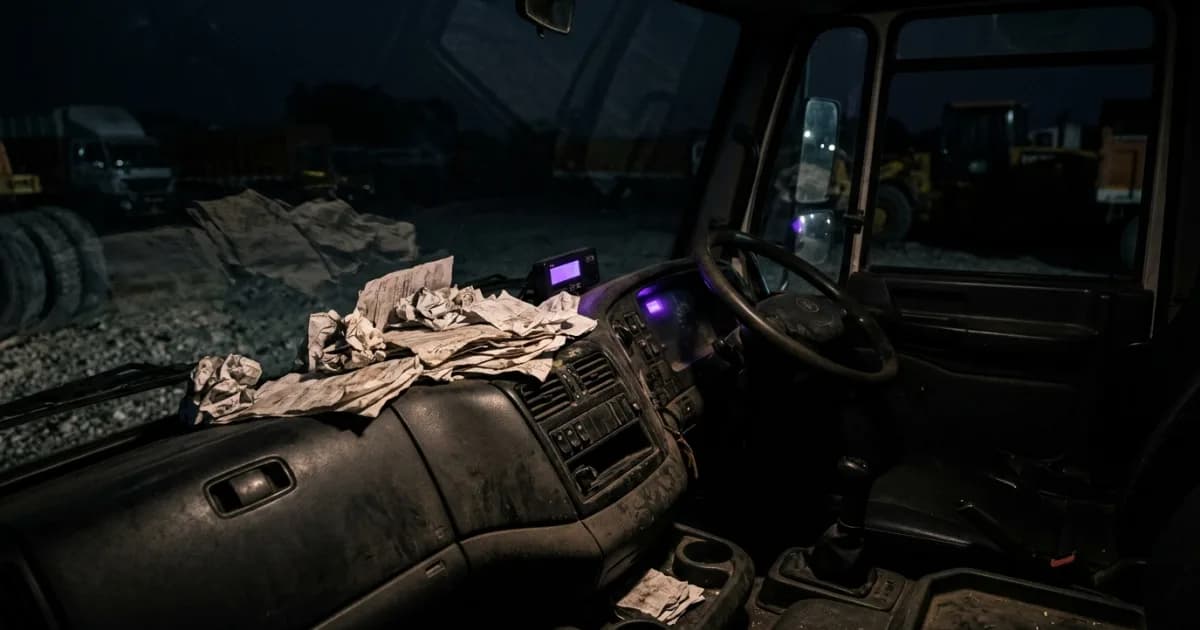
The journey of a paper POD is long and full of risk. After a driver gets a signature, the document begins a slow trip back to your accounts department. It sits in the truck cabin. It waits for the driver to return to the depot. This might take a week or more if they are on a multi-stop or long-haul route.
Once back, it joins a pile of other papers. Someone must manually sort, verify, and file it. Only then can they create an invoice. Any step in this chain can fail. The paper can be lost. It can get damaged by rain or grease. The handwriting can be unreadable. Each problem adds another delay to you getting paid.
For example, a truck delivers goods from Delhi to Mumbai. The driver might not return to the Delhi office for a week. The signed POD is with him. Your accounts team cannot raise the invoice for that entire week, even though the job is finished.
Proof of Delivery (POD) is the document a consignee signs to confirm they have received goods in the agreed condition. It is the key to starting the billing process.
Accelerate Your Billing with Electronic POD
An electronic POD system changes the entire workflow. It makes the proof of delivery instant. The process is simple. Your driver uses a mobile app at the destination.
They can capture multiple forms of proof:
- A digital signature from the receiver.
- Photos of the delivered goods.
- Notes about the delivery condition.
- An automatic timestamp and GPS location.
This information is sent from the app to your central dashboard immediately. There is no waiting. Your office staff sees the completed delivery in real time. They have all the proof they need to send an invoice right away. This switch from paper to digital can have a huge impact on your business finances. Shortening the billing cycle means cash arrives in your bank account sooner. Our ePOD solution is designed to make this process smooth for both drivers and office staff.
Order-to-Cash (O2C) is the entire business process for receiving and processing customer orders for goods and services and their payment. A shorter O2C cycle is healthier for a business.
Reducing Disputes and Document Loss
Paper PODs are a common source of customer disputes. A signature might be unclear. A customer might later claim that goods were damaged on arrival. Without strong proof, you can face payment deductions or long arguments that freeze your invoice.
Digital PODs provide much stronger evidence. For instance, a customer claims a short delivery. Your ePOD record has a photo showing all the sealed boxes at the delivery point, along with a GPS stamp. This evidence can resolve the dispute in minutes. It protects your revenue and your relationship with the client.
Digital records also eliminate the risk of physical loss. They are stored securely in the cloud. You can find a specific POD from months or years ago with a simple search. No more digging through dusty file cabinets.
Paper vs. Electronic POD at a Glance
| Feature | Paper POD | Electronic POD (ePOD) |
|---|---|---|
| Submission Time | Days or weeks. | Instant. |
| Data Captured | Signature only. | Signature, photo, GPS. |
| Risk of Loss | High. | Very low. |
| Searchability | Manual filing. | Instant search. |
| Invoice Delay | Very common. | Almost none. |
Choosing the right platform to manage this is important. Many options exist, so it is wise to review the best fleet management software available.
Connecting Proof of Delivery to Accounting
An ePOD app is a good start. But its true power is unlocked when it is part of an integrated system. When your ePOD solution talks to your other business software, you can automate many tasks and reduce manual errors.
Transport Management System (TMS) is a software platform that helps companies manage their logistics and transportation operations. A good TMS integrates all key functions.
For example, once an ePOD is submitted in MoboSafe, the system can mark the trip as complete. It can then automatically generate a draft invoice in the accounting module. The accounts team just needs to review and send it. This removes several manual steps, saving time and preventing mistakes.
This level of integration connects your field operations directly to your finances. It provides a clear view of your revenue as it is earned. You can move from just tracking trucks to managing your entire business workflow on one platform, from dispatch to final payment. This is a core benefit of a unified Transport Accounting system.
Is Digital Proof of Delivery Accepted in India?
A common question from fleet operators is about the legal standing of digital documents. Electronic records and signatures have been legally recognized in India for many years. They are widely used and accepted in business and for tax purposes.
Under the GST framework, clear proof of delivery is essential to support the tax invoice you issue. While the e-way bill tracks the movement of goods, the POD confirms its final receipt. The official GST portal outlines the rules for tax invoices, which are the basis of your claim for payment.
My methodology reviewed the official guidance for tax invoices on the CBIC website to confirm document needs for transport services. A digital POD with rich data like photos, timestamps, and geo-locations provides a very strong audit trail. For instance, during a GST audit, you can retrieve a digital POD in seconds. This is much faster and more reliable than searching for a physical paper copy that may be lost or faded.
Goods and Services Tax (GST) is an indirect tax used in India on the supply of goods and services.
Frequently Asked Questions about ePOD
- What if the driver's phone has no network coverage? Good ePOD apps are designed to work offline. The driver can capture all the data, which is stored on the device. It automatically syncs to the server once a network connection is available.
- Is an electronic signature legally valid? Yes, electronic records and signatures are valid and serve as legal proof of an event, just like a paper document.
- What kind of data can an ePOD system capture? It can capture a wide range of data, such as digital signatures, photos of goods, damage reports, timestamps, GPS coordinates, and receiver details.
- How difficult is it for drivers to use an ePOD app? Modern apps are built to be very simple and user-friendly. They often support multiple languages, making them accessible to all drivers.
Moving from paper to electronic POD is more than a tech upgrade. It is a strategic business decision. It directly addresses the critical challenge of cash flow in the transport industry. By closing the gap between delivery and invoicing, you make your operations more efficient and your business financially stronger.
To learn more about how MoboSafe can help your fleet, please read about our company or contact us for a discussion.
Related MoboSafe workflows
Review the documented product scope and setup requirements for these related operational tasks.
Fleet Reports & Analytics
Generate and schedule fleet, trip, driver, fuel, inventory, accounting, and HR reports with scoped filters and export options.
Transport Accounting
Transport accounting software with purchase orders, supplier ledgers, invoices, receipts, payments, journal entries, and financial reports.
Fuel Indent Management
Manage fleet fuel indents, pump redemption, meter-photo evidence, audits, fuel bills, settlements, and driver reimbursement claims.
Fleet Insurance Claims
Organise fleet insurance claims with incident records, supporting documents, survey status, settlement details, and claims reports.
Tags
Written by
MoboSafe Expert Team
Logistics Technology Specialist
Contributing writer at MoboSafe.