Key takeaways
- Most vehicle detentions at check posts happen because of errors in the e-Way Bill Part-B.
- Updating the vehicle number manually is slow and often leads to costly mistakes.
- Automation that links GPS data to the e-Way Bill portal is the best way to stay compliant.
- AI dashcams and proactive alerts give you proof and help prevent problems before they start.
- A simple pre-trip check by the driver can avoid stops for basic paperwork or vehicle faults.
The High Cost of a Single Check Post Stop
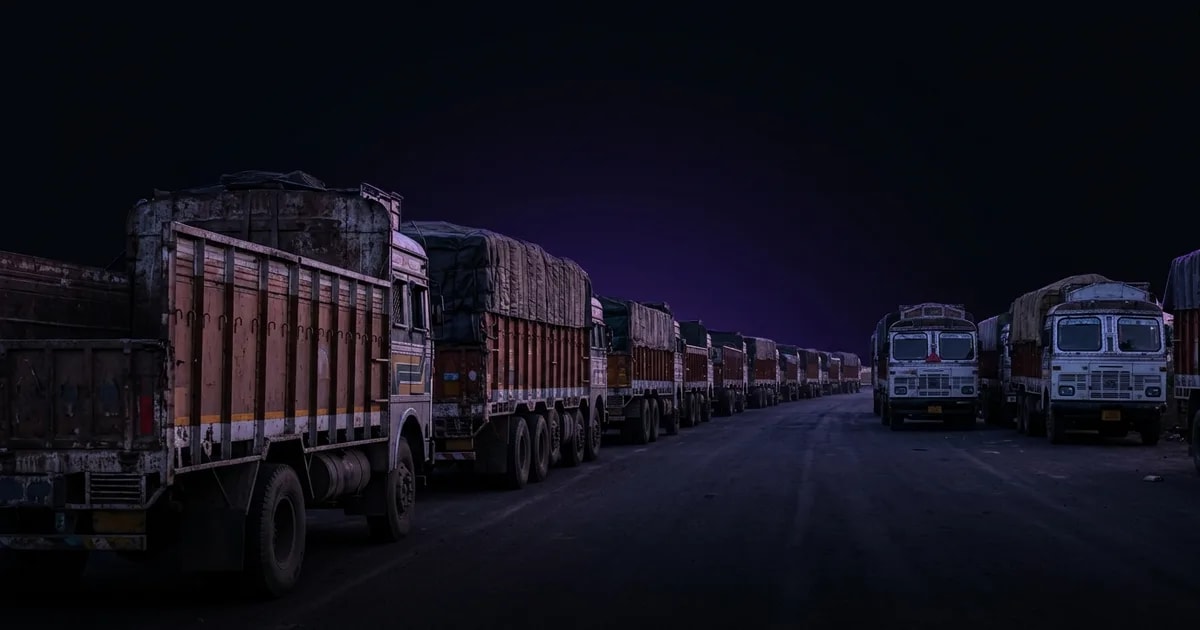
The phone rings. It is your driver. He says the truck is stopped at the state border. The inspector found a problem with the papers. Your heart sinks. You know this means long delays, possible fines, and a ruined delivery schedule. This happens every day to fleet owners across India. A small paperwork mistake can hold up a valuable shipment. The cost is not just the fine. You also lose time, fuel, and your client's trust.
These stops are enforced by the local transport authority. Regional Transport Office (RTO) is the government body that enforces transport laws and vehicle regulations in each district. Their job is to check every truck for compliance. For instance, a delayed shipment of auto parts can shut down a factory assembly line for a day. The client will blame you for the loss. These costs add up quickly and hurt your business reputation. The rules that govern these vehicles are set by the Ministry of Road Transport and Highways to ensure safety and proper taxation.
Why Your Trucks Get Detained: The e-Way Bill Part-B Problem
Most of the time, the problem is a simple mistake on the e-Way Bill. Specifically, it is an error in Part-B of the bill. e-Way Bill Part-B is the section of the electronic document that contains the vehicle's registration number for a specific trip. The rules for this are very strict.
Here is a common scenario. You create an e-Way Bill for Truck A. But just before the trip, Truck A has a breakdown. You have to send Truck B instead. Your busy operations team forgets to update the vehicle number on the government portal. At the check post, the inspector's device shows Truck A's number. But he sees Truck B in front of him. For the inspector, this is a clear violation. It is an easy fine to issue and a major problem for you.
This single point of human error causes countless detentions. Managing this by hand is hard. For a fleet of 20 trucks, it is nearly impossible. For example, your main truck for a Delhi to Mumbai shipment gets a flat tyre in the yard. You send a backup truck but the e-Way Bill still shows the old number. This mismatch guarantees a stop at the Rajasthan or Gujarat border. You can find all the official rules for generating and updating these documents on the eWay Bill portal. Our e-Way bill automation software removes this risk completely.
The Permanent Fix: How to Avoid Vehicle Detention at Check Posts
The best solution is not to hire more staff to check papers. The solution is to remove human error with technology. Imagine a system where your truck's GPS device automatically updates the e-Way Bill. When the truck starts its trip, the system instantly updates Part-B with the correct vehicle number. This is not a future dream. This is what MoboSafe's platform does today.
This automation stops problems before they happen. It ensures your papers are always correct. If a mistake is found, the RTO issues a penalty notice. A Challan is an official notice for a traffic or transport violation, which includes a fine. You can check the status of any such fines on the government's eChallan portal. Our methodology reviewed the compliance rules for goods movement published on the eWay Bill portal to build our solution. Automation makes sure you never have to pay these fines for a Part-B mismatch again.
| Compliance Task | Manual Process | Automated Process |
|---|---|---|
| Updating Part-B | Requires login and data entry. | Happens on trip start. |
| Checking Validity | Staff tracks expiry times. | System sends alerts before expiry. |
| Proof of Movement | Relies on driver calls. | GPS gives a digital record. |
Proactive Compliance: Beyond Simple Automation
Fixing the e-Way Bill is a great start. But what if you could prevent other problems too? Proactive tools can warn you of trouble before an inspector even sees your truck. For instance, what if a system could call your transport manager if a driver goes off the planned route? This could signal a risk of theft or an unplanned diversion. Our AI system does exactly that. It acts as a 24/7 virtual manager to keep your fleet safe.
Sometimes, you have perfect papers but still face issues. In these disputes, video proof is your best defence. An AI Dashcam provides clear video evidence of what happened. It shows the vehicle's location and the condition of the cargo seals. This changes the argument from your driver's word against an official's to a discussion based on facts. Advanced safety technology is proven to reduce risks, which is why bodies like the European Commission road safety authority now mandate it for new vehicles.
Your fleet data is also very important. This includes client details and route information. You need to know where it is stored. Data Sovereignty is the principle that your company's data is subject to the laws of the country where it is located. With MoboSafe, your data is stored in India, for India. It is always secure.
Essential Pre-Trip Checks for Every Driver
Technology solves many problems, but basic checks are still vital. A driver should perform a quick inspection before every single trip. This simple habit can prevent many common reasons for a check post stop. For instance, a broken taillight is a simple excuse for an RTO officer to pull a truck over. This can lead to a full paper inspection that finds other small issues.
Before starting a journey, every driver should confirm they have the right papers and the truck is in good condition. You can use tools for a quick driver and vehicle document check. Many of these official documents can be checked online through the MoRTH Parivahan Sewa portal.
Key Documents to Carry
- Registration Certificate (RC).
- Vehicle Fitness Certificate.
- National or State Permit.
- Valid Insurance Policy.
- Pollution Under Control (PUC) Certificate.
- Driver's Licence.
- e-Way Bill and Invoice for the goods.
Basic Vehicle Checklist
- Check all tyres for proper air pressure.
- Test all lights, indicators, and reflectors.
- Ensure the load is secure and the tarpaulin is tied down.
- Make sure the FASTag has enough balance for tolls.
Stopping human error is the key to avoiding vehicle detention. Manual processes are slow, risky, and expensive. Automation gives you peace of mind and keeps your trucks moving. To learn more about how our technology can protect your fleet, read about our work on our about us page or contact our team for a demo.
Reviewed by the MoboSafe editorial team.
Tags
Written by
MoboSafe Expert Team
Logistics Technology Specialist
Contributing writer at MoboSafe.