Key takeaways
- Driver fatigue causes many serious highway accidents across India.
- AI dashcams can detect signs of drowsiness like yawning and eye closure in real time.
- These systems send instant alerts to the driver and the fleet manager.
- Video evidence from dashcams is key for insurance claims and police reports.
- Combining dashcam alerts with a fleet platform gives a full view of driver risk.
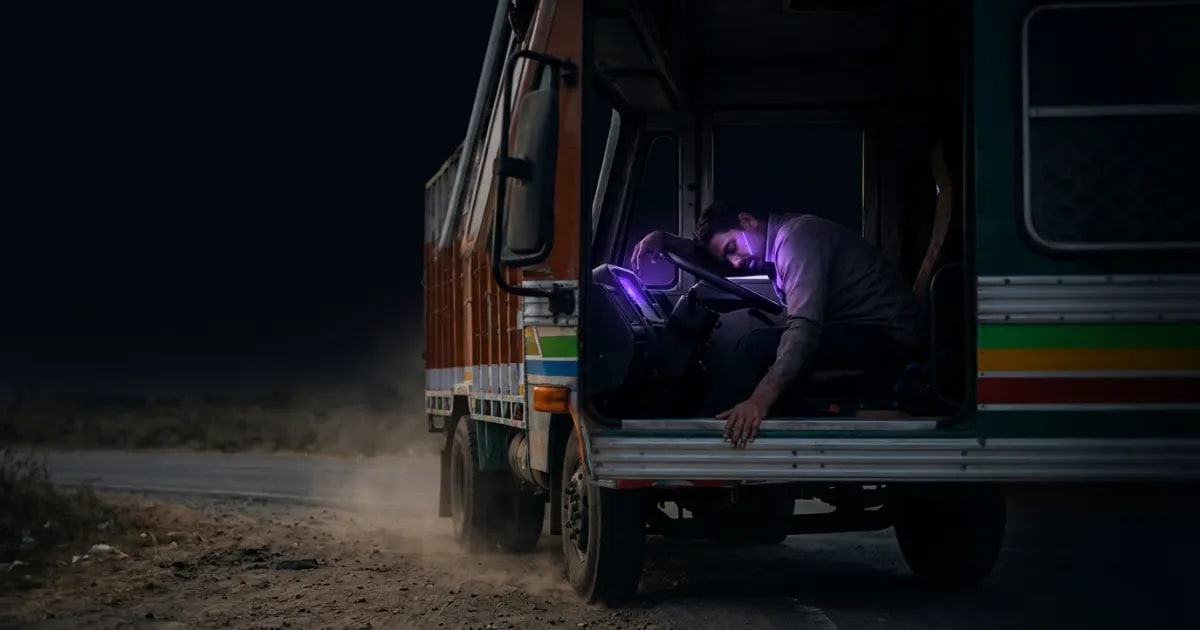
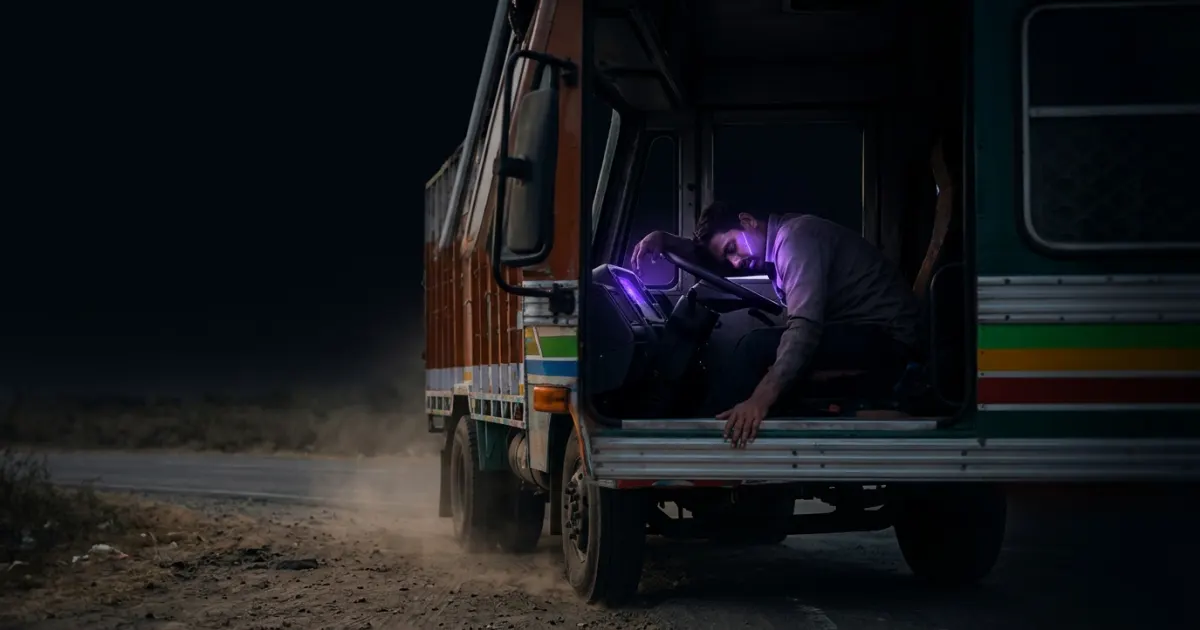
Long hours on the road take a toll. A tired driver can be as dangerous as a drunk one. For fleet operators, a fatigue-related accident means vehicle damage, lost goods, and legal trouble. Relying on drivers to self-report tiredness is not enough. You need a system that watches for the warning signs automatically.
AI dashcams actively watch for signs of driver fatigue on Indian highways. Using a driver-facing camera, the system's software identifies actions like frequent yawning, long eye closures, and sudden head nods. When it spots these patterns, it triggers an immediate in-cab audio alert to wake the driver. At the same time, it sends a notification with a short video clip to the fleet manager's dashboard. This gives you proof of the event and a chance to act. For example, you can call the driver and direct them to the nearest safe rest area. This proactive alert system helps prevent accidents before they happen. It moves your safety plan from reactive to preventive. The video evidence is also very useful for accident analysis and driver training, creating a record of risk that spot checks can never provide.
What Are the Real Signs of Driver Fatigue?
Driver fatigue is more than just feeling sleepy. It is a state of physical or mental exhaustion that reduces a driver's ability to operate a vehicle safely. On long, straight highways, the risk gets higher. The brain can become less alert from the steady drone of the engine and the lack of change in scenery.
Watch for these signs:
- Trouble focusing, frequent blinking, or heavy eyelids.
- Missing exits or traffic signs.
- Drifting from your lane or hitting a rumble strip.
- Slower reaction times to other vehicles or road hazards.
One of the most dangerous signs is microsleep. Microsleep is a brief, unintended loss of consciousness that can last for a few seconds. The driver's eyes may be open, but their brain is not processing information. For instance, a driver on the Yamuna Expressway might experience a 4-second microsleep. At 80 km/h, the truck would travel over 88 metres with nobody in control.
How AI Dashcams Detect Drowsiness
An AI Dashcam is not just a recording device. It is an active safety tool. A small camera points at the driver, using smart software to watch for signs of fatigue and distraction. It works day and night using infrared LEDs.
The system is trained to spot specific human behaviours. For example, it measures how long a driver's eyes are closed. A normal blink is quick. An eye closure of two seconds or more triggers an alert. It also detects frequent yawning or if the driver's head starts to droop. Driver Monitoring System (DMS) is a technology that uses a camera and software to track a driver's alertness and attention. This forms the core of an AI dashcam's safety features.
Human vs. AI Monitoring
| Feature | Human Spot-Check | AI Dashcam |
|---|---|---|
| Speed | Delayed. | Real-time. |
| Scale | One driver at a time. | Entire fleet at once. |
| Evidence | Hearsay. | Video record. |
From Alert to Action: A Practical Workflow
An alert is only useful if it leads to action. When an AI dashcam detects a fatigue event, a two-part process begins. First, an audible alarm sounds inside the cabin. This is designed to startle the driver and bring their attention back to the road. Second, a notification is sent to the fleet operations platform. This alert includes a video clip of the event, the time, and the vehicle's location.
This allows the fleet manager to step in. For instance, if a driver gets a fatigue alert near a designated rest stop, the manager can call and instruct them to take a mandatory 30-minute break. This creates a clear and enforceable safety policy. Some systems also watch for other unsafe acts. Distracted Driving is any activity that diverts attention from driving, such as using a mobile phone. AI dashcams can also alert for phone use, smoking, or not wearing a seatbelt.
The Proof That Protects Your Business
Accidents happen. When they do, video evidence is your best defence. After a crash, a police report can be unclear. Other parties might give false accounts. Video footage shows exactly what happened from your driver's point of view. Road traffic injuries are a major cause of death and disability worldwide, as noted by the WHO road traffic injuries fact sheet.
This proof is vital for insurance claims. For example, if a car cuts in front of your truck and causes an accident, the video can prove your driver was not at fault. This helps speed up claims and protects your company from unfair liability. The footage is also a powerful tool for driver training. Reviewing real events with drivers helps them understand risks and improve their habits. A strong safety record, backed by tools like Driver Verification and video monitoring, can also help lower your insurance premiums over time. Event Data Recorder (EDR) is a device installed in some vehicles to record technical information for a few seconds before, during, and after a crash. Dashcam video provides the visual context that EDR data lacks.
Choosing the Right System for Your Indian Fleet
Not all dashcams are created equal. When looking at the best AI dashcams in India, fleet operators should consider a few key points. The hardware must be tough enough for Indian road conditions. It needs to handle heat, dust, and vibrations. The software is just as important. It should be easy to use and give you the alerts you need without too many false alarms.
Our methodology for this article involved reviewing safety guidelines from sources like the Ministry of Road Transport and Highways and comparing the features of modern fleet safety systems. Look for a system that integrates with your existing fleet management software. For example, a good system shows dashcam alerts on the same screen as the vehicle's location and trip details. This gives you a single view of your operations. Finally, ask about local support and service. When you need help, you want a team that understands your business and is easy to reach.
To learn more about building a safer fleet, read about our work on our about page or contact us to schedule a demo.
Frequently Asked Questions
What is a driver drowsiness detection system?
It is a safety technology that uses a camera to monitor a driver for signs of fatigue, such as yawning, eye closure, and head nodding. If it detects these signs, it triggers an alert.
Are AI dashcams legal in India?
Yes, using dashcams for safety and security purposes in commercial vehicles is legal in India. They are widely used to improve road safety and provide evidence for incidents.
How much data do AI dashcams use?
Data usage varies. The systems typically only upload short video clips when an event like harsh braking or a fatigue alert is triggered, not continuous video. This keeps mobile data costs low.
Can the system work at night or if the driver wears glasses?
Yes. Most AI dashcams use infrared (IR) illuminators to see the driver clearly in low-light and dark conditions. The software is also designed to work effectively with drivers who wear prescription glasses or sunglasses.
Related MoboSafe workflows
Review the documented product scope and setup requirements for these related operational tasks.
Driver Management
Manage driver profiles, licence documents, vehicle assignments, verification reviews, performance scores, and driver dashboards.
Fleet HR & Payroll
HR and payroll for transport teams: employee records, attendance, muster rolls, leave, salary setup, deductions, contractors, and self-service.
Driver Advances & Trip Expenses
Estimate trip costs, approve driver advances, record receipts, and compare planned versus actual fuel, toll, allowance, and other expenses.
Tags
Written by
MoboSafe Expert Team
Logistics Technology Specialist
Contributing writer at MoboSafe.