Key takeaways
- Delhi NCR's extreme traffic congestion directly increases fuel costs due to idling and causes major delivery delays.
- Strict compliance with e-way bill validity and RTO rules is vital to avoid heavy penalties in the region.
- Driver stress from difficult road conditions affects performance, safety, and employee retention.
- Using technology like GPS tracking and fleet management software is key to navigating NCR's operational problems.
- Beyond fuel, costs for vehicle wear and tear are higher in NCR due to poor road conditions and constant traffic.
Fleet management challenges in Delhi NCR logistics are severe. They stem from three core areas. First, intense traffic congestion causes major delays. This leads to higher fuel consumption from vehicle idling and missed delivery windows. For instance, a truck stuck on NH48 can burn litres of diesel for no reason. Second, strict compliance rules create risks. An expired e-way bill during a check can result in a 200% tax penalty, as per GST rules. Third, high operational costs and driver stress are constant problems. The high cost of living and difficult driving conditions make it hard to find and keep good drivers. Effective solutions use real-time GPS tracking to find better routes. They also use digital tools to manage e-way bills and monitor driver behavior. This helps cut costs, ensure compliance, and improve overall fleet efficiency in the demanding NCR region. Managing these issues is key.
The Unseen Costs of Delhi NCR Congestion
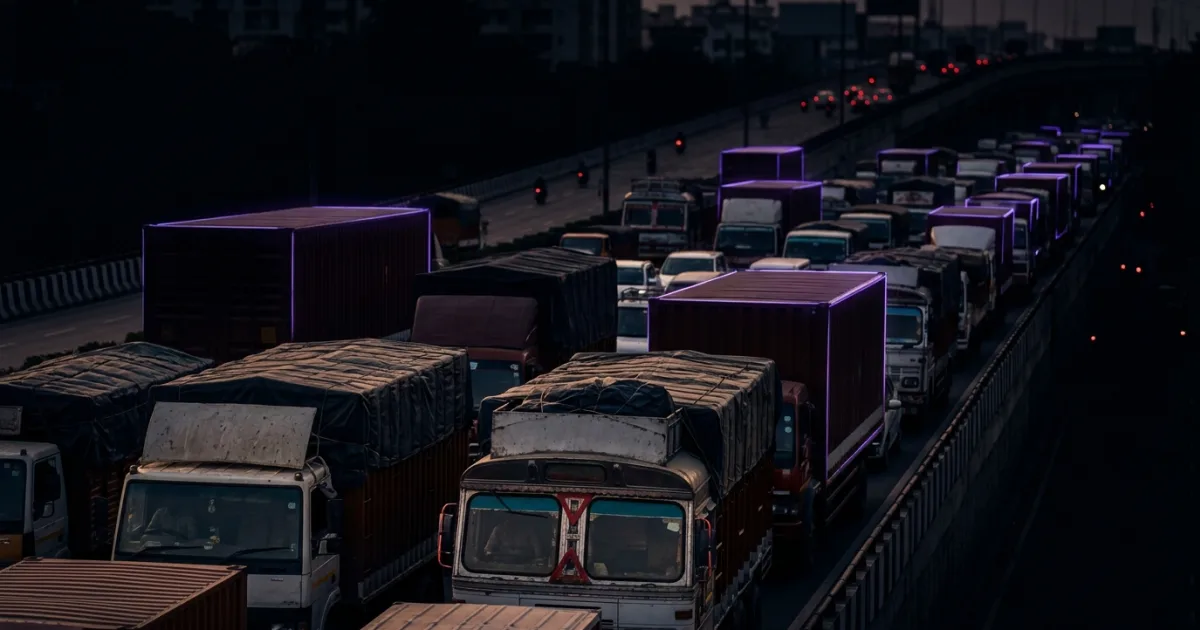
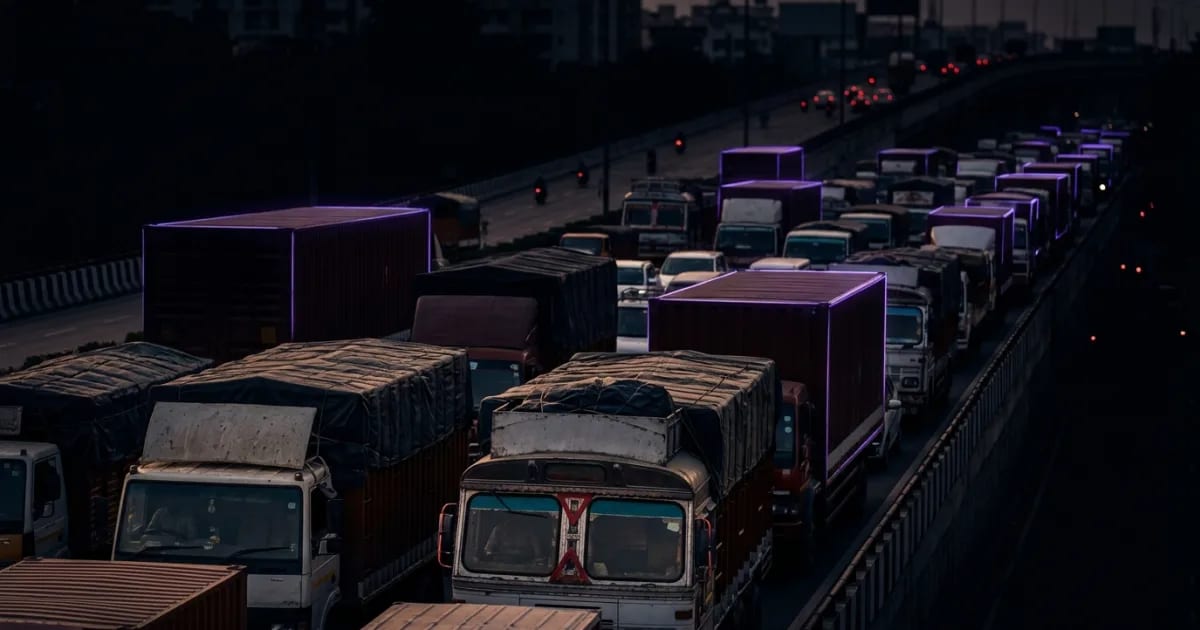
Delhi NCR traffic is a big problem. It costs you money. Every minute your truck waits, it burns fuel. This is called idling. Idling wastes diesel and adds to pollution. Your delivery times get longer. This makes customers unhappy. A simple trip from Manesar to Noida can take hours. This delay affects your entire schedule. These delays are a major source of loss for transport businesses.
Vehicle Idling is when a vehicle's engine is running while the vehicle is not moving. For instance, a truck caught in a jam near Dhaula Kuan might idle for over an hour. This burns fuel with zero kilometres gained. You pay for fuel that takes your truck nowhere. It also adds hours to a driver's day. This leads to fatigue and potential safety issues.
Navigating Compliance: E-Way Bills and RTO Rules
Compliance in Delhi NCR is tough. The rules are strict. You must follow them. Your goods need a valid e-way bill. The bill has a time limit. It depends on distance. For example, a bill for a 200 km trip is valid for two days. This rule is on the official eWay Bill portal. If your truck is delayed by traffic, the bill might expire. An expired e-way bill leads to heavy fines.
Traffic police are also very active. A small mistake can lead to a challan. You can check for any pending fines on the eChallan portal. Keeping all papers in order is vital. Our methodology for this article involved a review of common transport hurdles and official rules from sources like the e-way bill portal. E-Way Bill Validity is the period during which goods must be transported. Make sure your vehicle always carries these documents:
- Valid Registration Certificate (RC).
- Valid Fitness Certificate.
- Valid National Permit.
- Valid Insurance Papers.
- Pollution Under Control (PUC) Certificate.
Solving Fleet Management Challenges in Delhi NCR Logistics
Technology can help solve these problems. A good system gives you control. It helps you see your whole fleet. This is where fleet management software becomes so useful. You can track your trucks in real time. This helps you avoid traffic jams. You can find better routes. Real-time GPS tracking for NCR routes shows you exactly where each truck is. This is a core part of the best fleet management software available today. These tools also help with compliance. For example, some systems link trip data to e-way bills. They can warn you before a bill expires. This helps you avoid penalties. Good software brings all your fleet data into one place. This makes decisions faster and easier.
Driver Management in a High-Pressure Zone
Drivers in Delhi NCR face a lot of stress. They deal with bad traffic and long hours. This can lead to rough driving. Hard braking and speeding waste fuel. They also increase wear on the truck. It is important to monitor driver behavior. It is also important to support your drivers. Clear communication is key. Paying advances on time helps a lot. Happy drivers are safer and more reliable.
Harsh Driving is a pattern of sudden acceleration, hard braking, and sharp turns. You can improve driver satisfaction with a few simple steps. Such as:
- Provide clear trip instructions.
- Settle trip expenses quickly.
- Recognize good performance.
- Ensure vehicles are well-kept.
Controlling Operational Expenses Beyond Upkeep
Fuel is a big cost. But it is not the only one. Vehicle upkeep is also expensive. Bad roads and heavy traffic in NCR cause more wear. Tires, brakes, and engine parts need more care. You need a good plan for upkeep. Preventive Maintenance is routine care and service for vehicles to prevent future problems. This approach saves money over time. For example, using digital inspection forms helps you catch small problems. A driver can report a worn brake pad before it fails. This prevents a bigger repair job later. Linking these checks to your e-way bill management systems can ensure compliance is checked before every trip.
Preventive vs. Reactive Upkeep Costs
| Factor | Preventive Upkeep | Reactive Upkeep |
|---|---|---|
| Cost | Lower, planned cost. | High, sudden cost. |
| Downtime | Scheduled, short time. | Unplanned, long time. |
| Safety | Much safer. | Higher risk of failure. |
A proactive approach to fleet care reduces surprises. It keeps your trucks on the road making money. To learn more about how MoboSafe can help, please contact us. You can also read more about our company and our mission to help Indian transporters.
Frequently Asked Questions
What are the biggest fleet management challenges in Delhi NCR logistics?
The top challenges are severe traffic congestion leading to fuel waste and delays, strict RTO and GST compliance such as e-way bill validity, and high operational costs combined with driver management issues.
How can GPS tracking help my fleet in Delhi?
GPS tracking provides real-time vehicle location. This allows you to monitor trip progress, find less congested routes, and provide customers with accurate ETAs. It also helps in tracking vehicle idling to control fuel costs.
Why is e-way bill compliance so difficult in NCR?
The unpredictable traffic can cause major delays. This risks the e-way bill expiring before the delivery is complete. An expired e-way bill can lead to a penalty equal to 200% of the tax value, making compliance critical.
How can I reduce high driver turnover for my Delhi-based fleet?
Improve driver retention by ensuring timely payment of advances and expenses. Use technology to reduce their stress by planning better routes. Monitor for safe driving and provide feedback. A well-kept vehicle also improves driver morale.
Related MoboSafe workflows
Review the documented product scope and setup requirements for these related operational tasks.
Transport ERP
Fleet operations software for Indian transport businesses. Connect trips, fuel, inventory, accounting, and payroll in MoboSafe.
Trip Management
Plan, monitor, and analyse fleet trips with vehicles, drivers, waypoints, documents, exception handling, and delivery records.
Loading & Dispatch
Create loading sheets with vehicle and driver assignments, consignment items, weight checks, documents, and dispatch printouts.
Transport Accounting
Transport accounting software with purchase orders, supplier ledgers, invoices, receipts, payments, journal entries, and financial reports.
Tags
Written by
MoboSafe Expert Team
Logistics Technology Specialist
Contributing writer at MoboSafe.