Key takeaways
- Excessive idling wastes 3-4 litres of fuel per hour in a typical heavy truck.
- Idling causes accelerated wear on engine parts like pistons and injectors.
- It can clog the Diesel Particulate Filter (DPF) in modern BS6 vehicles.
- Fleet management software can track and alert you to idling events in real time.
- A clear anti-idling policy combined with driver training can reduce these costs.

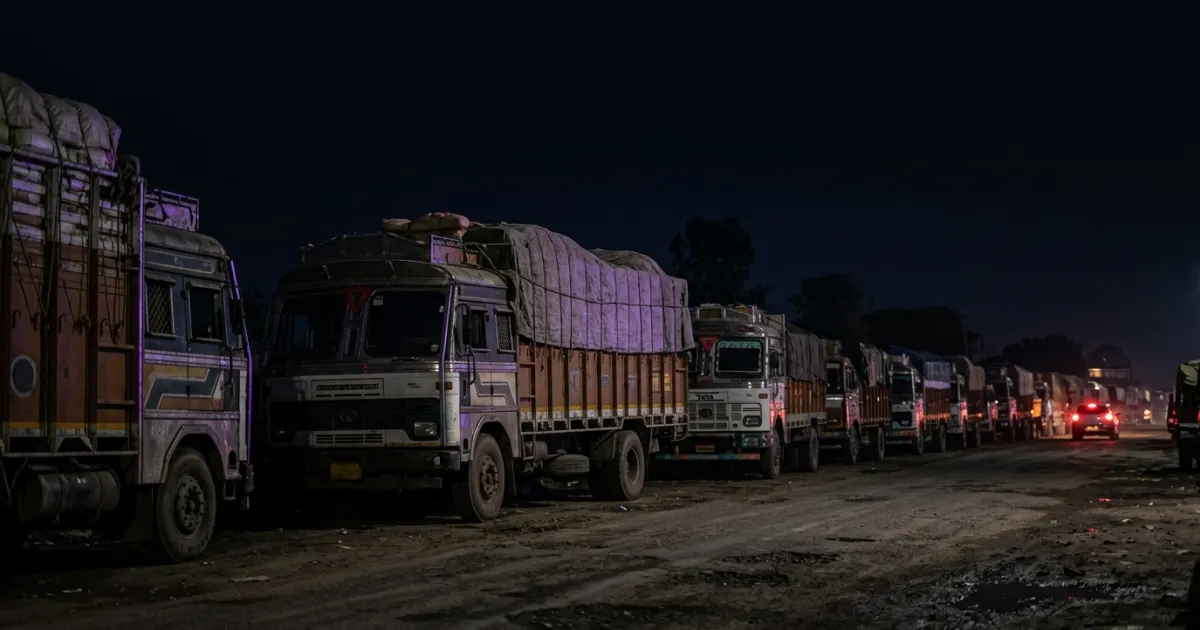
The sound of a running truck engine is common at transport hubs and dhabas across India. Many drivers leave the engine on while waiting. They might be keeping the cabin cool or just following old habits. This practice seems minor. It is not. That constant hum is a big, hidden expense that silently drains your profits and damages your most valuable assets.
A heavy-duty truck in India consumes between 3 to 4 litres of diesel for every hour of idling. For a fleet of 50 trucks idling just two hours per day, this translates to a loss of 300-400 litres daily. At an average price of ₹90 per litre, the direct fuel cost exceeds ₹27,000 per day or over ₹8 lakhs per month. This figure excludes the accelerated wear on critical engine components. Excessive idling causes incomplete fuel combustion, leading to soot buildup on pistons, rings, and injectors. It also prevents the Diesel Particulate Filter (DPF) on BS6 vehicles from reaching the high temperatures needed for regeneration, risking costly clogs and repairs. Ultimately, idling is not just wasted fuel. It is a direct drain on engine life, future resale value, and overall fleet profitability.
The Obvious Drain: Fuel Consumption Without Movement
The most direct cost of idling is wasted fuel. The engine is burning diesel but the truck is not earning revenue. It is a simple calculation. But the numbers add up very quickly across a fleet. For instance, a truck waiting for three hours at a warehouse burns up to 12 litres of diesel for no reason. Over a year, this one truck could waste thousands of rupees just during loading times.
Engine idling is the state of a vehicle's engine running while the vehicle is not in motion. While some idling is unavoidable in traffic, extended periods are a pure loss. Tracking this loss is the first step to controlling it.
Beyond the Pump: How Idling Wears Down Your Engine
Fuel is only part of the story. The mechanical stress of idling causes long-term damage that leads to bigger bills down the road. An engine is designed to run optimally at a certain temperature and RPM. Idling operates far below this range.
This leads to several problems:
- Incomplete Combustion: Low temperatures cause fuel to burn poorly. This leaves behind carbon residue, or soot, that coats pistons, rings, and injectors. This reduces efficiency and can lead to engine failure.
- DPF Clogging: Modern BS6 trucks have advanced emission controls. A Diesel Particulate Filter (DPF) is a device designed to remove diesel particulate matter or soot from the exhaust gas of a diesel engine. These systems need high exhaust temperatures to burn off trapped soot, a process called regeneration. Long idling periods prevent this, causing the DPF to clog. A forced regeneration or replacement is very expensive. These emission standards are set by the government, as noted by the Ministry of Road Transport and Highways.
- Reduced Engine Life: An hour of idling is not the same as an hour of driving, but it still adds wear to engine components. Manufacturers often count engine hours, not just kilometres, to determine service intervals for this reason.
Operational Blind Spots That Idling Reveals
Frequent, long idling events are not just a driver habit. They are often symptoms of deeper problems in your operation. By tracking when and where your trucks are idling, you can uncover costly bottlenecks.
For example, high idle times at a specific warehouse points to inefficient loading or unloading. Idling for long periods at entry gates could mean paperwork delays. These are issues you can fix. You can talk to the warehouse manager or streamline your own processes.
| Cause | Driver Action | Operational Issue |
|---|---|---|
| Waiting to load. | Leaves engine on. | Poor scheduling. |
| Traffic jams. | Idles for long periods. | Inefficient routes. |
| Rest breaks. | Runs A/C while parked. | Lack of facilities. |
| Paperwork delays. | Engine on at gate. | Slow gate process. |
Using Technology to Curb Idling Habits
You cannot fix what you cannot measure. This is where fleet management technology becomes essential. The best GPS trackers in India provide more than just location. They tap into the engine's data to report on its status, including when it is on but not moving.
A good system allows you to:
- Set Idling Alerts: Get an instant notification on your phone or computer when a vehicle has been idling for too long. For example, you can set an alert if a vehicle idles for more than 15 minutes.
- Generate Reports: Run daily or weekly reports to see which drivers and vehicles have the highest idle times. This data helps you spot trends and identify problem areas.
- Use Geofences: Geofencing is a technology that uses GPS to create a virtual boundary around a specific geographic area. You can create geofences around warehouses or depots and monitor idle times specifically within those zones. MoboSafe offers powerful Geofencing & Fleet Alerts for exactly this purpose.
This data gives you the power to act. With a robust Fuel Monitoring solution, you can connect idling events directly to fuel consumption and see the exact cost to your business.
Creating an Anti-Idling Policy for Your Fleet
Technology provides the data, but change requires a clear policy and driver cooperation. Telematics data is information collected from vehicles through GPS and other onboard sensors, providing insights into location, speed, and engine status. Use this data to build a fair and effective anti-idling program.
Start with simple steps. Educate your drivers on the true costs of idling, from fuel waste to engine damage. Set clear rules, such as a 5-minute idling limit unless required for specific operations. You can also introduce incentives. For instance, rewarding drivers who consistently have the lowest idle times each month can foster healthy competition. A well-maintained vehicle not only saves money but is also key to passing regular inspections and maintaining a valid fitness certificate, a process managed through portals like MoRTH Parivahan Sewa. Our methodology for this article involved reviewing official government transport portals and analysing common telematics data points related to engine run time.
Stopping idling is not about punishing drivers. It is about making your entire operation more efficient. To learn more about how MoboSafe can help you achieve this, check out our solutions or contact us for a demo. Learn more about us and our mission to help Indian transporters.
Frequently Asked Questions About Truck Idling
What is the average fuel consumption of a truck while idling?
A typical heavy-duty truck in India consumes between 3 and 4 litres of diesel per hour of idling. This can vary based on the engine size, age, and whether the air conditioning is running.
How does idling affect a BS6 engine's DPF?
Idling prevents the exhaust from reaching the high temperatures needed for the Diesel Particulate Filter (DPF) to perform its self-cleaning cycle (regeneration). This leads to soot buildup, which can clog the filter and require expensive manual cleaning or replacement.
Can I get an alert for excessive idling?
Yes. Fleet management systems like MoboSafe use GPS and telematics data to monitor engine status. You can configure the system to send you an SMS or app notification if a vehicle idles for longer than a preset time limit, such as 10 or 15 minutes.
How do I create an effective anti-idling policy?
An effective policy includes clear rules (e.g., a 5-minute idle limit), driver education on the costs, performance tracking using telematics data, and incentives for drivers who consistently meet low-idling targets.
Related MoboSafe workflows
Review the documented product scope and setup requirements for these related operational tasks.
Fuel Indent Management
Manage fleet fuel indents, pump redemption, meter-photo evidence, audits, fuel bills, settlements, and driver reimbursement claims.
Driver Advances & Trip Expenses
Estimate trip costs, approve driver advances, record receipts, and compare planned versus actual fuel, toll, allowance, and other expenses.
Transport Accounting
Transport accounting software with purchase orders, supplier ledgers, invoices, receipts, payments, journal entries, and financial reports.
Fleet Reports & Analytics
Generate and schedule fleet, trip, driver, fuel, inventory, accounting, and HR reports with scoped filters and export options.
Tags
Written by
MoboSafe Expert Team
Logistics Technology Specialist
Contributing writer at MoboSafe.