Key takeaways
- Dashcams prevent accidents only when used for proactive driver coaching, not just recording.
- AI technology automatically spots risks like driver drowsiness, phone use, and harsh braking.
- Instant alerts and automated calls allow drivers to correct unsafe behaviour immediately.
- Clear video footage serves as vital evidence to fight false challans and settle insurance claims fairly.
- A complete safety system built around dashcams reduces crashes and lowers fleet running costs.
The High Cost of a 'Record and Hope' Strategy
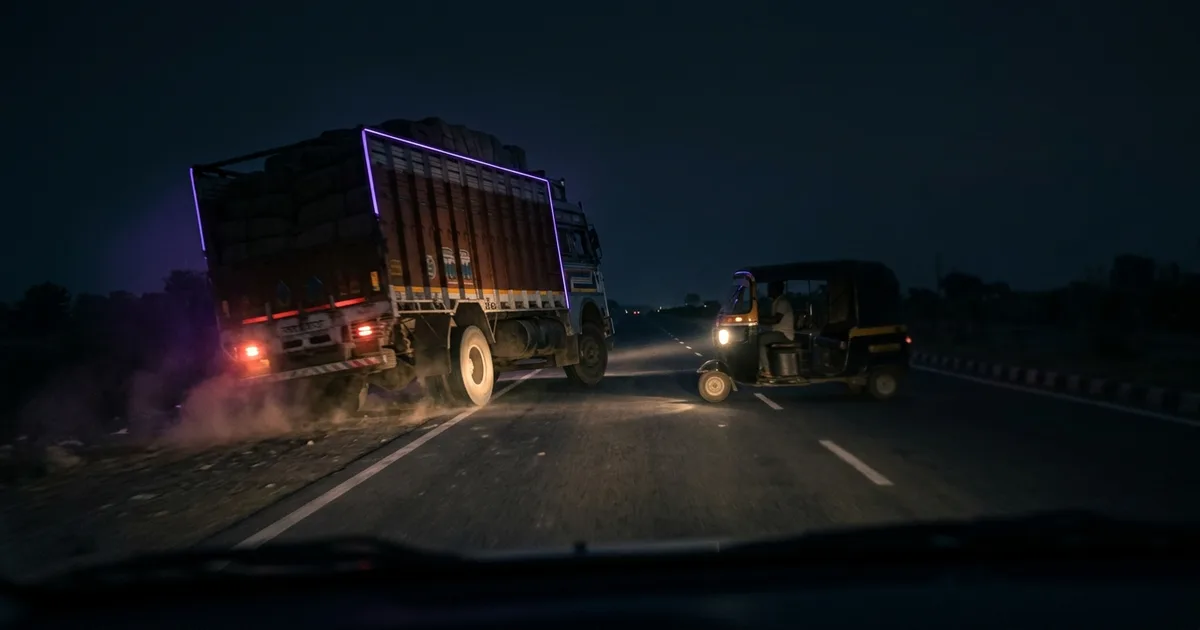
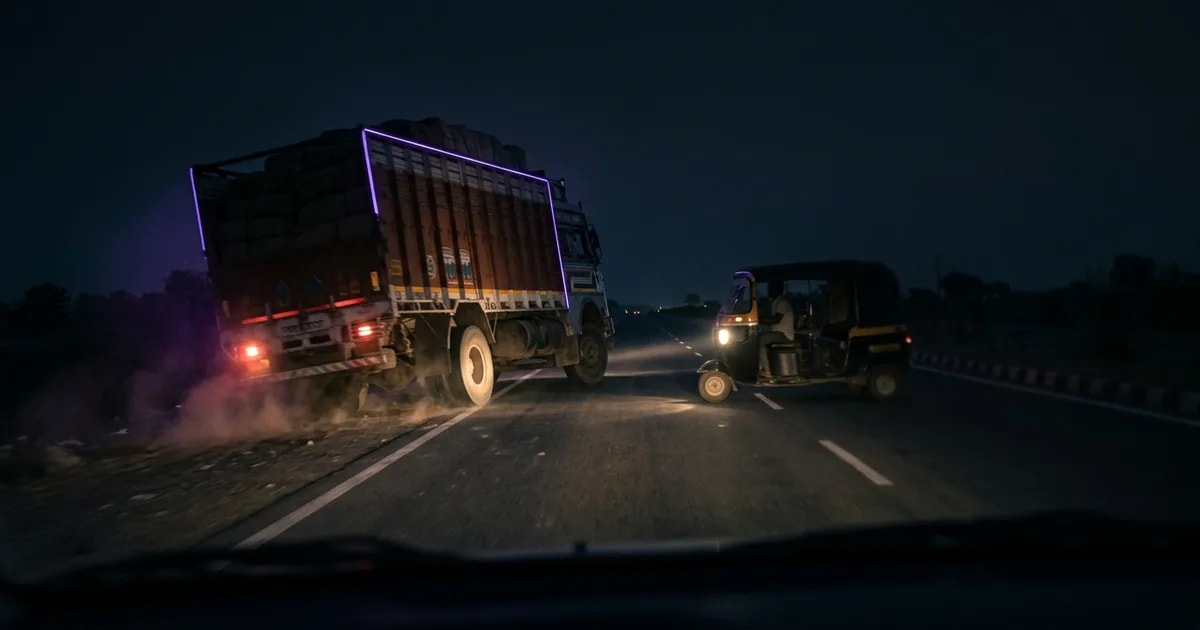
It is 3 AM. A driver calls you from a highway hundreds of kilometres away. There has been a crash. Your truck is damaged, the shipment is late, and the police are involved. This is the moment most fleet owners remember they have a dashcam. You hope the SD card recorded the event. You hope the video proves your driver was not at fault. This reactive, hope-based approach to safety is a huge financial risk.
Relying on a dashcam just for recording is like owning a fire extinguisher but never checking its pressure. The tool is there, but the system to make it useful is missing. Road traffic crashes are a leading cause of death and injury worldwide according to the World Health Organization. For a fleet, a single major accident can mean lakhs in repairs, higher insurance premiums, and lost business. The real question is not what happened. It is how you stop it from happening again. This is how to reduce fleet accidents with dashcams by building a real safety system.
Reactive safety is a strategy that responds to events after they occur. For instance, reviewing footage only after a crash to find the cause is a reactive approach. It does little to prevent future incidents.
A Proactive Workflow: From Recording to Coaching
A camera cannot stop a crash. A process can. The old way of pulling an SD card after an incident is broken. A modern safety workflow uses technology to spot risks and fix them before they lead to an accident. This involves three clear steps that turn your dashcam from a passive recorder into an active safety coach.
Step 1: Let AI Watch the Road, Not Your Manager
An operations manager cannot watch dozens of live video feeds. It is not a good use of their time. Instead, smart technology should do the heavy lifting. Modern AI dashcams automatically detect risky behaviour. They spot the key signs that often lead to a crash. These include a driver falling asleep, using a phone, braking too hard, or following the truck ahead too closely. For example, if a driver starts to show signs of fatigue on a long night drive to Chennai, the system flags it instantly. You get a short video clip of that specific moment, not hours of useless highway footage.
Advanced Driver Assistance Systems (ADAS) are a set of safety features that help drivers avoid collisions. These systems use sensors and cameras to see risks, and are now common in new vehicles as shown by European Union mandates.
Step 2: Intervene in Real Time, Not Next Week
What happens when the AI spots a risk? In old systems, it might appear in a report the next day. By then, the driver has forgotten the event. The chance to coach them is gone. A modern system must act at once. This is where a real breakthrough happens. When our system detects drowsiness, it does not just send an alert. It can also call the driver through an automated system. A calm voice might say, “A drowsiness alert was detected. Please pull over at the next dhaba and rest.” This is instant, direct intervention. It prevents the crash before it can happen.
Step 3: Use Video Clips for Training, Not Blame
The video clips of near-misses or risky driving are powerful training tools. They should not be used to punish drivers. Instead, use them in weekly or monthly meetings to start a discussion. For instance, you could show a clip of a harsh braking event and ask the group, “What could we do differently here to keep a safer distance?” This builds a culture of safety where everyone learns together. It shows drivers that the cameras are there to protect them and make them better professionals, not to spy on them.
How Dashcams Become Your Legal Shield on Indian Roads
Prevention is always the primary goal. But accidents still happen on busy Indian roads. When a collision occurs between a truck and a smaller vehicle, the truck driver is often blamed by default. High-definition, time-stamped video evidence is the best way to prove what really happened. It becomes your most powerful tool for legal and financial protection.
Video telematics is the technology that combines vehicle data, such as GPS location and speed, with video footage from dashcams. This gives a full picture of any incident.
Here are a few ways video evidence protects your business:
- Fighting False Challans. A traffic officer might issue a fine for a supposed violation. For example, if your driver is wrongly accused of running a red light, the video can prove they crossed on green. This evidence can be used to challenge the penalty through official portals like the eChallan system.
- Fair Insurance Claims. After an accident, an insurance adjuster may try to assign partial fault to your driver to reduce the payout. Clear video shows the full context of the incident, protecting your No-Claim Bonus and helping you get a fair settlement.
- Preventing Theft. Dashcams with multiple camera views can monitor fuel tanks and cargo doors. This helps you prove if diesel was stolen at a rest stop or if goods were already damaged before being loaded onto your truck.
Choosing the Right Dashcam System for Your Fleet
Not all dashcams are the same. A simple device from an online marketplace is very different from a professional fleet safety system. Our methodology involved reviewing the features of over 20 different hardware types against the real-world needs of Indian transporters. The best AI dashcams in India are part of a complete solution that includes software, support, and secure data storage.
AIS-140 is a standard set by the Indian government for vehicle tracking devices, making them mandatory for many commercial vehicles. These devices must have specific features for safety and monitoring, as certified by bodies like the Automotive Research Association of India (ARAI).
| Feature | Basic Dashcam | AI Dashcam | MoboSafe Platform |
|---|---|---|---|
| Video Recording | Yes, on SD card. | Yes, on cloud. | Yes, on cloud. |
| Live Video | No. | Yes. | Yes. |
| AI Risk Alerts | No. | Yes. | Yes, with calls. |
| Coaching Tools | No. | Limited reports. | Full workflow. |
| Legal Evidence | Basic. | Good. | Excellent. |
Data Security and Integration: An Indian Priority
It is vital to know where your fleet's data is stored. Many international telematics providers store your vehicle locations, trip details, and driver videos on servers in other countries. This creates a big security risk. MoboSafe is an Indian company building for Indian fleets. Your data is stored securely on servers located within India. This ensures your data sovereignty and privacy, in line with government policies on digital infrastructure from the Ministry of Road Transport and Highways.
Furthermore, you do not need to replace all your existing hardware. A good platform should work with what you already have. Our software can integrate with existing AIS-140 GPS devices. This adds a new layer of AI-powered safety to your current setup. Everything appears in one simple interface, which is the mark of the best fleet management software. You get more value from your past investments without a costly overhaul. You can even perform an RC check on your vehicles from the same platform.
Stop seeing dashcams as just another compliance cost. Start seeing them as the center of a modern safety program that saves lives and money. The technology is ready. The workflow is proven. Making the change will protect your drivers, your vehicles, and your business.
To learn more about how we can help your fleet, read about our mission on our about us page or contact our team for a demo.
Reviewed by the MoboSafe editorial team.
Tags
Written by
MoboSafe Expert Team
Logistics Technology Specialist
Contributing writer at MoboSafe.