Key takeaways
- Digital indents create a clear approval record before any fuel is filled.
- Reconciliation compares approved litres with dispensed litres from meter photos and bills.
- GPS data can verify that a truck was actually at the specified fuel pump location.
- A formal process is needed to handle valid out-of-network fuel claims from drivers.
- Software connects this fuel data directly to trip expenses and your accounting ledgers.
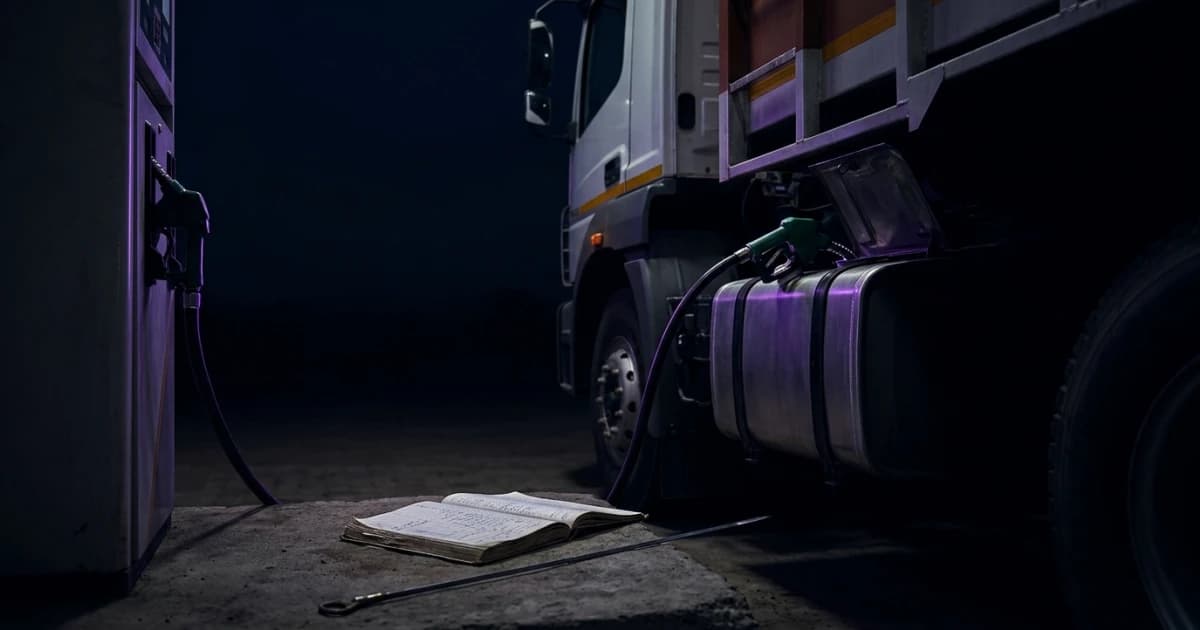
Fuel is the biggest running cost for any fleet. Managing it poorly means losing money daily. The solution is a strict process for fuel indent approval and pump reconciliation. A driver first raises a fuel indent on a mobile app. This request specifies the vehicle and how many litres are needed. A manager reviews it against the trip plan and vehicle data. The manager can approve or reject the request. Approval creates a unique indent code. The driver shows this code at a network fuel pump. After filling, the driver must upload a clear photo of the pump meter showing dispensed litres. They also upload the printed bill. The office team then reconciles the transaction. This means matching the approved litres, dispensed litres, and the billed amount. Any difference, like a short fill or price error, is flagged right away. This digital trail closes the loop on fuel spending and prevents fraud.
What is the Fuel Indent and Reconciliation Process?
Many transport companies still use an old, manual system. A driver calls the manager for fuel. The manager gives verbal approval. The driver fills the tank and collects a paper bill. These bills might be submitted days or weeks later. This creates a huge gap. There is no real-time control. It is hard to check if the fuel was for the right truck or if the amount was correct. A lot of money gets lost this way.
A modern approach fixes these problems. It uses software to create a clear, simple workflow. Fuel Indent is a formal request made by a driver to get fuel for a specific vehicle. This request goes through a digital approval process before any money is spent. It turns a chaotic process into an orderly one.
For example, instead of a phone call, a driver uses an app. The manager gets a notification with all the details: truck number, location, and requested amount. This allows for a quick, informed decision. The whole approval history is saved.
The Core Challenge: Approved Litres vs. Dispensed Litres
The main problem in fuel management is the difference between what you approve and what actually goes into the tank. Short filling at pumps is a known issue. A driver might also make a deal for a different amount. Without proof, you have to trust the paper bill. This trust can be expensive.
The solution is evidence. By making meter photos and bill uploads mandatory, you get digital proof for every transaction. The system can then compare the approved indent, the meter reading, and the bill amount. Our methodology for this article reviews common operational workflows against guidelines for commercial transport from the Ministry of Road Transport and Highways.
Pump Reconciliation is the process of matching the approved fuel indent against the evidence of dispensed fuel and the final bill. This step is where you catch errors and fraud. For instance, if the indent was for 100 litres but the meter photo shows 95 litres, the system flags it instantly.
Manual vs. Digital Fuel Reconciliation
| Feature | Manual Process | Digital System |
|---|---|---|
| Approval | Phone call. | App notification. |
| Evidence | Delayed paper bill. | Instant meter photo. |
| Verification | Manual data entry. | Automated matching. |
| Dispute | Driver's word. | Time-stamped proof. |
Step-by-Step Guide to Digital Fuel Management
Shifting to a digital system is straightforward. It involves clear steps that give you full control over your fuel expenses. This is how a good system for fuel indent approval and pump reconciliation works.
- Driver Raises an Indent: The driver uses a mobile app to request fuel. The request includes the vehicle number, current location, and required litres.
- Manager Reviews and Approves: The fleet manager gets an alert. They can see the trip details and the vehicle's fuel history before approving, rejecting, or changing the amount.
- Driver Fills Fuel at an Approved Pump: Once approved, the driver gets a code to use at a pre-approved fuel station.
- Driver Submits Proof: After filling, the driver must take a photo of the pump's meter and the final bill. These are uploaded through the app. The app can even record the GPS location to confirm the truck was at the pump.
- Office Team Reconciles: The finance or operations team sees the submitted proof against the original indent. The system automatically flags any mismatches in litres or cost.
- Settle with Pump and Driver: With verified data, you can settle payments with fuel stations confidently. Any approved driver expenses are also cleared faster.
Handling Out-of-Network and Emergency Fuel
Sometimes, a driver cannot reach a network pump. They may need fuel in a remote area during an emergency. Your system must be able to handle these cases. You cannot leave a driver stranded. Out-of-Network Fuel is fuel purchased from a pump that is not part of your company's pre-approved network.
A good system allows drivers to submit claims for these fills. For example, a driver can make an emergency purchase, pay for it, and then submit a reimbursement claim. This claim must include the same evidence: a meter photo and a bill. The manager approves the claim, and it enters the normal accounting flow. This keeps all fuel spending, planned or unplanned, inside one system. It is important that all invoices for such transactions comply with GST rules, as specified by the CBIC, to ensure proper accounting.
Connecting Fuel Data to Your Broader Operations
Managing fuel indents is not just about stopping theft. It is about collecting accurate data. This data helps you understand your true operational costs. When your fuel management is linked with other systems, you get a powerful tool.
You can connect fuel data to each trip. This lets you calculate the exact cost and profitability of every single job. Trip Accounting is the calculation of all revenues and costs associated with a specific transport trip to find its net profit or loss. This is a core feature of the best fleet management software available today.
Here are some ways the data can be used:
- Verify Pump Visits: Use GPS Tracking data to confirm the vehicle's location and duration at the fuel pump. This proves the transaction happened where and when the driver claimed.
- Improve Budgeting: Accurate fuel consumption data helps you create better budgets for future trips.
- Driver Performance: You can link fuel usage to driver behavior. Harsh driving, for instance, uses more fuel.
A connected system makes your whole operation more efficient. It removes guesswork and gives you facts to base your decisions on. To learn more about our platform, you can read about us or contact our team directly. Visit our about page or contact us today.
Frequently Asked Questions
What is a fuel indent?
A fuel indent is a formal request from a driver or vehicle operator to get a specific amount of fuel. In a digital system, this is an electronic request that needs a manager's approval before the fuel can be purchased.
Why is pump reconciliation important for fleet owners?
Pump reconciliation is the process of matching the approved fuel request with the actual fuel dispensed. It is important because it helps detect short filling, prevents unauthorized purchases, and ensures you only pay for the fuel your fleet actually receives.
How does software help prevent fuel theft?
Software creates a mandatory digital trail. It requires manager approval for every fill, proof of the transaction with meter photos, and GPS location verification. This transparency makes it very difficult for fraudulent activities to go unnoticed.
Can this system work with any fuel pump in India?
The system works best with a network of approved pumps where you have a payment arrangement. For non-network pumps, it can manage the process through driver reimbursement claims, as long as the driver provides the required photo evidence.
Related MoboSafe workflows
Review the documented product scope and setup requirements for these related operational tasks.
Fuel Indent Management
Manage fleet fuel indents, pump redemption, meter-photo evidence, audits, fuel bills, settlements, and driver reimbursement claims.
Driver Advances & Trip Expenses
Estimate trip costs, approve driver advances, record receipts, and compare planned versus actual fuel, toll, allowance, and other expenses.
Transport Accounting
Transport accounting software with purchase orders, supplier ledgers, invoices, receipts, payments, journal entries, and financial reports.
Fleet Reports & Analytics
Generate and schedule fleet, trip, driver, fuel, inventory, accounting, and HR reports with scoped filters and export options.
Tags
Written by
MoboSafe Expert Team
Logistics Technology Specialist
Contributing writer at MoboSafe.