Key takeaways
- Fuel costs, often 30-40% of total expenses, can be cut by tackling theft, optimizing routes, and monitoring driver behavior.
- Switching from reactive repairs to predictive upkeep using telematics data can reduce breakdown costs by up to 25%.
- Automating compliance for things like eWay Bills and driver verification prevents heavy penalties from RTOs that erode profits.
- Reducing engine idling by just one hour per truck daily can save thousands of rupees in wasted fuel each month.
- A hardware-agnostic platform allows you to upgrade your software intelligence without a costly rip-and-replace of existing GPS devices.
Your fleet's operating costs are a constant battle. The most effective way to reduce them is to attack the four largest variable expenses with technology. Fuel, which accounts for 30-40% of all costs, can be managed by using telematics to detect siphoning, monitor harsh driving, and optimize routes to save up to 15% on your monthly bill. Proactive vehicle upkeep, another 10-15% of your budget, is cheaper than reactive repairs. Using diagnostic alerts from your vehicles avoids costly breakdowns on the highway. Compliance costs, which include challans and penalties for expired documents, can be nearly eliminated with automated systems for eWay bills and driver credentials. Finally, curbing engine idling by tracking non-productive run times can cut fuel waste significantly. For a typical truck, saving just one hour of idling per day can translate to over ₹30,000 in savings per year, per vehicle.
The Four Silent Killers of Fleet Profitability
Let's be honest. You're not losing money because of one big thing. You're losing it to a thousand small cuts. Every day. We see this across thousands of vehicles on our platform. The culprits are always the same four things: fuel, upkeep, compliance, and idling. These aren't just line items on a spreadsheet. They are active threats to your business. Ignoring them is like leaving your cashbox open on the dashboard. You need a plan, and that plan must be built on real data, not gut feeling.
Taming the Fuel Demon: Beyond Just 'Better Mileage'
Fuel is the single biggest expense. Everyone knows this. But most operators think the solution is just finding cheaper pumps or telling drivers to go easy on the pedal. That's a losing game. The real drains are far more sinister: theft and bad routes. A driver might siphon off 20 litres of diesel. Or take a 50 km detour to visit his village. It adds up. Fast.
This is where technology stops being a cost and becomes an investment. For instance, with a modern AIS-140 GPS tracker linked to fuel sensors, you get an instant alert the moment the fuel level drops unnaturally. No more guessing. You have proof. You can also see the exact path taken. Was the driver on the assigned Delhi-to-Mumbai route, or was he somewhere else entirely?
- Fuel Monitoring: Get instant alerts for sudden fuel drops, indicating potential theft.
- Route Optimization: Ensure drivers stick to the most efficient routes, saving time and fuel.
- Driver Behavior: Track harsh braking and rapid acceleration, which burns excess fuel.
Route Deviation is when a vehicle strays from its planned or most efficient path, leading to increased fuel consumption, delivery delays, and unnecessary wear and tear.
Predictive Upkeep. Not Post-Breakdown Panic.
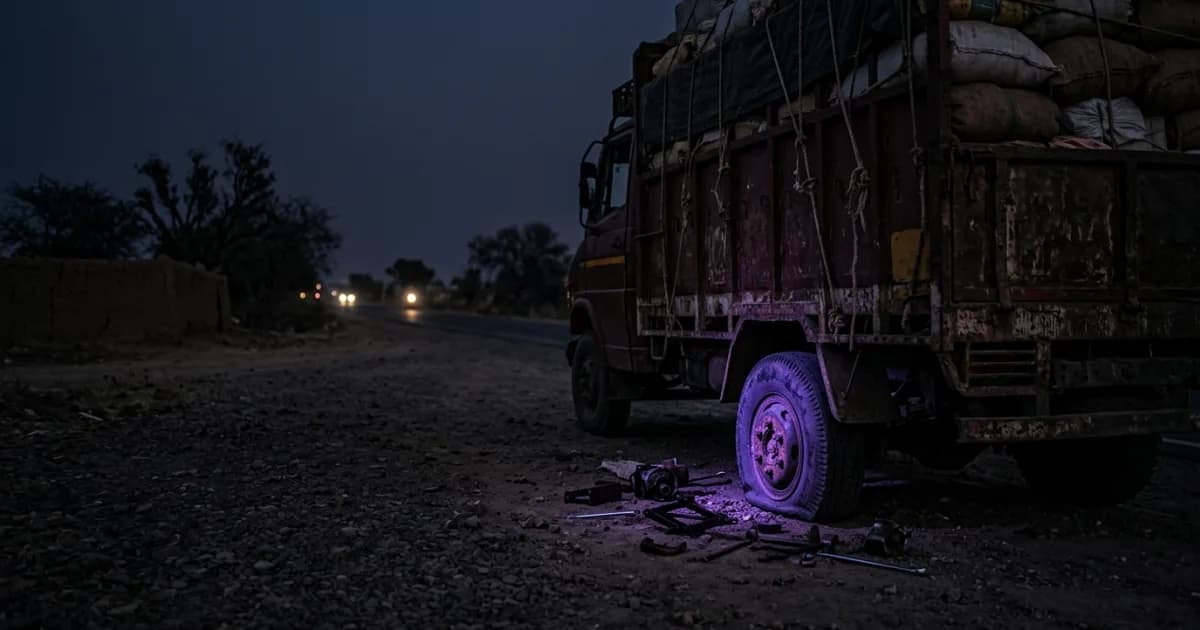
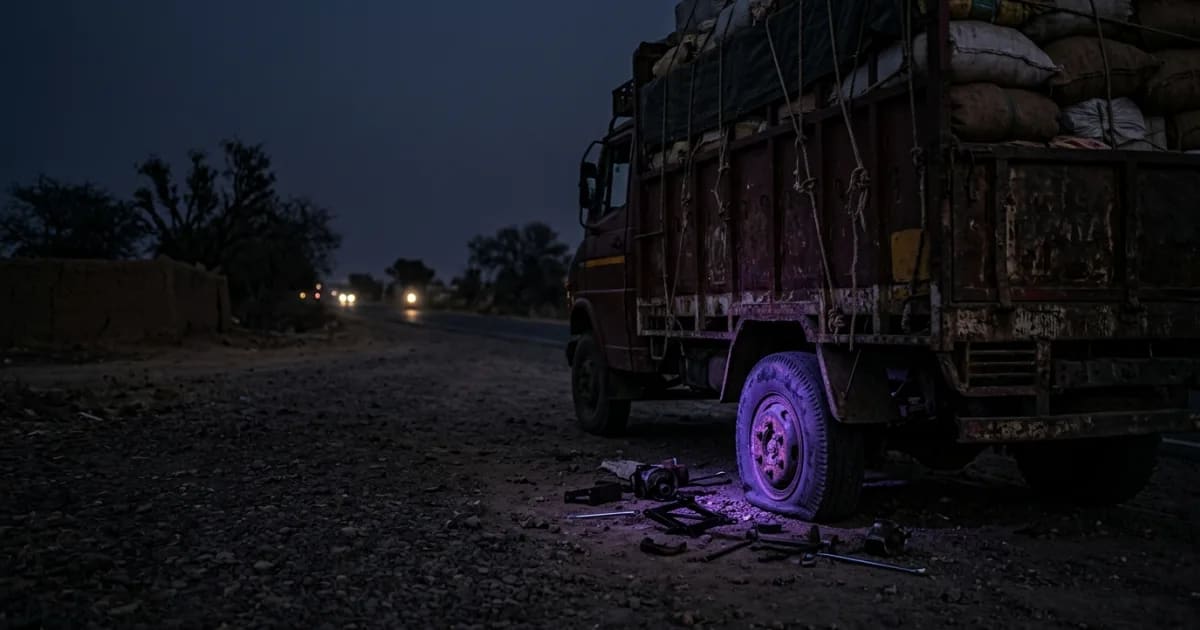
A truck broken down on the side of the highway is a nightmare. You have a delayed delivery, an angry client, a massive repair bill, and a driver stranded for hours. This is reactive upkeep. It's expensive and stressful. The smart way is to see the problem *before* it happens. This is predictive upkeep.
Modern vehicles generate a stream of data. For example, Diagnostic Trouble Codes (DTCs) are alerts from the engine's computer. Our methodology involves analyzing these codes to predict failures. A good system flags these codes and tells your operations manager that a specific truck's battery voltage is low, weeks before it fails to start. This is how you reduce fleet operating costs on upkeep. You fix small problems in your own workshop, not big ones on the road.
| Aspect | Reactive Upkeep | Predictive Upkeep |
|---|---|---|
| Timing | After failure. | Before failure. |
| Cost | Very high. | Much lower. |
| Downtime | Unplanned and long. | Planned and short. |
| Method | Emergency repairs. | Scheduled service. |
DTC (Diagnostic Trouble Code) is a standardized code generated by a vehicle's onboard diagnostics system to identify a specific problem with the engine or other components.
How to Reduce Fleet Operating Costs Through Smarter Compliance
The RTO babu is not your friend. Heavy challans and penalties are a massive, unnecessary cost. An expired eWay Bill can lead to a penalty of 200% of the tax value, as stated on the official eWay Bill portal. A driver with an expired license is a huge liability. Manually tracking these things across a large fleet is impossible. Papers get lost. Dates are forgotten.
This is where the best fleet management software pays for itself. It becomes your automated compliance department. The system alerts you 15 days before a vehicle's fitness certificate expires. It can automatically check eWay Bill validity against the truck's location. For instance, if a truck is geofenced near a state border and its eWay Bill is about to expire, the manager gets a proactive alert. No more fines. No more paperwork headaches.
Geofencing is creating a virtual boundary around a real-world location, such as a warehouse or a city limit, to trigger alerts when a vehicle enters or exits.
Your Biggest Hidden Cost. The Idling Engine.
An idling truck is literally burning your money for nothing. An engine running while the truck is stationary consumes about 2-3 litres of diesel per hour. Think about it. Drivers waiting at a warehouse. Stopping for a long lunch at a dhaba with the AC on. These hours add up. Across a fleet of 50 trucks, just one hour of unnecessary idling per day can cost you lakhs per month.
How do you stop it? You measure it. Our platform gives you a clear report: which driver idled, where they idled, and for how long. You can set rules and get alerts if a truck idles for more than, say, 15 minutes. We even see operators use our AI Dashcams to check if the driver is in the cabin during long idling periods. This data gives you the power to create better policies and train your drivers.
AI Control Tower is a centralized software platform that uses artificial intelligence to analyze data from GPS, dashcams, and vehicle sensors to provide predictive insights and automate operational tasks.
The MoboSafe Edge: Control Tower, Not a Call Center
So, how do you fix all this? The old way was to buy a GPS device, then hire more people to watch the dots on the map and call drivers all day. Your control room becomes a call center. This doesn't scale. It doesn't work.
We built MoboSafe differently. First, our AI Control Tower is hardware-agnostic. You don't have to throw away your old, existing GPS devices to use our software. We integrate with them. This saves you a huge upfront cost. Second, we have world-first AI Voice Calling Agents that proactively call drivers for updates, so your team doesn't have to. It's like having a virtual fleet manager for every truck. Finally, we are an Indian company. Our software is built in India for Indian conditions, and your data sovereignty is guaranteed. Your fleet data stays in India, as mandated by rules from authorities like Ministry of Road Transport and Highways for certain types of data.
Frequently Asked Questions
- What is the biggest operating cost for a fleet in India?
Fuel is consistently the largest expense, typically accounting for 30-40% of a commercial fleet's total operating costs. - How can technology help reduce fuel theft?
GPS trackers with fuel sensors can provide real-time fuel level data and send instant alerts if there is a sudden drop, indicating siphoning or theft. - Is it possible to use new software with my old GPS devices?
Yes, with a hardware-agnostic platform like MoboSafe. This allows you to get advanced software features without the massive cost and effort of replacing all your existing hardware. - How does driver behavior affect fleet costs?
Actions such as harsh braking, sudden acceleration, and speeding directly increase fuel consumption and accelerate wear and tear on vehicle parts like brakes and tires, leading to higher costs.
Stopping the financial bleed in your fleet isn't about one magic solution. It's about using smart, integrated technology to gain control over the small, daily costs that add up to a big problem. To learn more about our approach, you can read about us here or contact our team for a demonstration.
Reviewed by the MoboSafe editorial team.
Tags
Written by
MoboSafe Expert Team
Logistics Technology Specialist
Contributing writer at MoboSafe.