Key takeaways
- Remote fault code reading uses an OBD-II GPS tracker to send alerts to your software dashboard.
- This reveals the exact engine problem in real time, long before the truck reaches a workshop.
- It helps you prevent major breakdowns by catching small issues before they get worse and cost more.
- Our hardware-agnostic platform means you can often use your existing GPS devices to get these insights.
- MoboSafe is built in India, ensuring your fleet's sensitive engine data always stays within the country.
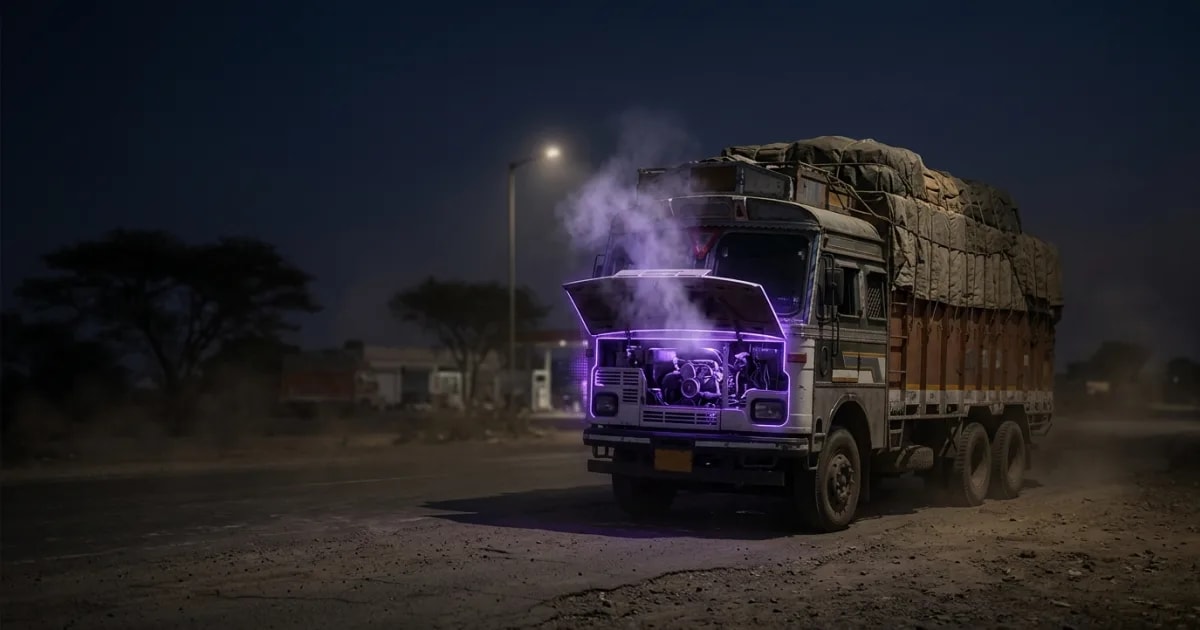
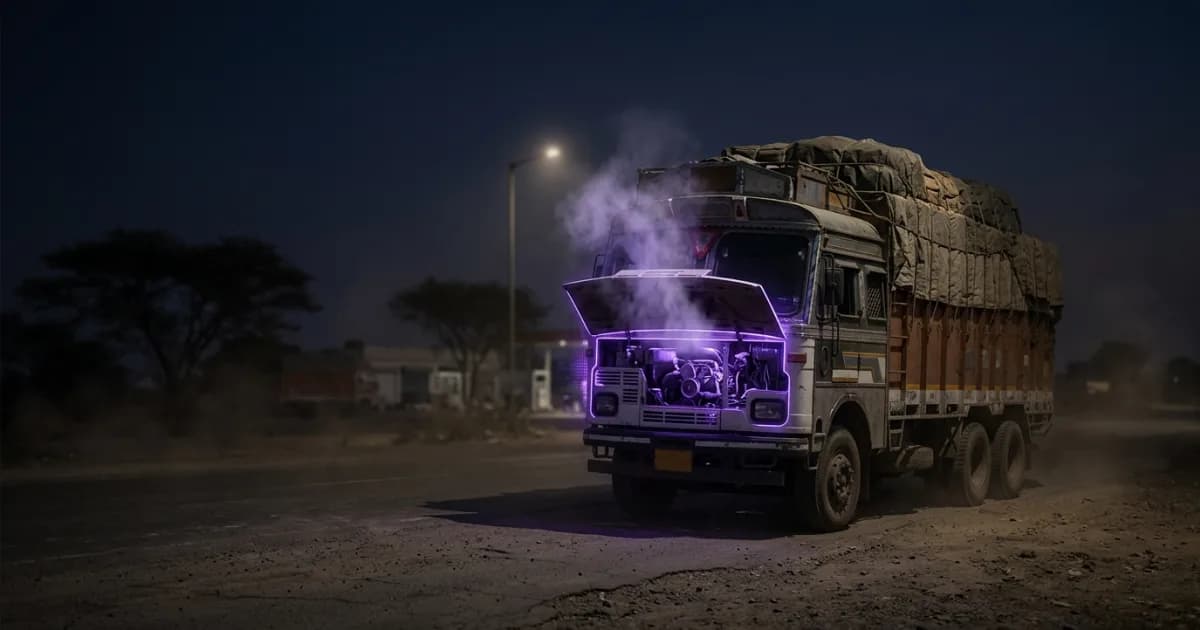
A driver calls from the highway. The check engine light is on. Is it a loose fuel cap, or is the engine about to seize? The guessing game begins. This costs you time, money, and peace of mind. We see this every day with fleets across India.
You can read engine fault codes remotely by plugging an On-Board Diagnostics (OBD-II) device into your vehicle's port. This port is usually under the steering wheel. The device, which often includes a GPS tracker, reads the specific Diagnostic Trouble Code (DTC) from the Engine Control Unit (ECU). For instance, a code like 'P0420' points to a catalyst system issue. The device sends this code over the mobile network to your fleet software. This allows a manager in an office in Pune to see the exact problem on a truck near Nagpur. This process is standard on most Indian commercial vehicles made after 2013, as per government rules. It provides immediate, clear data to plan the next step without relying on a driver's guess or a roadside mechanic's word.
What Are Engine Fault Codes (DTCs)?
Think of that orange check engine light as a fever. It tells you something is wrong, but not what. The fault codes are the actual diagnosis. They tell you exactly where it hurts.
A Diagnostic Trouble Code (DTC) is a specific, five-character alphanumeric code that the vehicle's computer system generates when it detects a problem. For example, the code 'P0171' tells you the engine is running too lean on Bank 1. This is far more useful than a simple light.
These codes come from the On-Board Diagnostics port. An OBD-II port is a standardized gateway to your vehicle's computer. It's the same port a mechanic uses to connect their scanning tool. Since the late 2000s, and more strictly after 2013, most vehicles in India have this port, following guidelines influenced by international standards also adopted by bodies like ARAI.
The Old Way: Wires, Workshops, and Wasted Time
The traditional method is slow and full of risk. Your driver sees the light, finds the nearest workshop, and hopes for an honest mechanic. The process is broken.
- Downtime Begins: The truck stops working. It's either limping to a garage or waiting for a tow. Every hour off the road is money lost.
- The Mechanic's Guess: The mechanic plugs in a handheld scanner. You have no way to verify what they find. They could invent problems or suggest costly part changes for a simple sensor fix.
- No Bargaining Power: Stranded on a highway, your driver has zero power to negotiate. You pay what the mechanic asks. Stolen diesel during these unplanned stops is also a huge problem.
This reactive approach is a constant drain on profits. You are always one step behind, fixing problems after they happen instead of before.
The New Way: How to Read Engine Fault Codes Remotely
Modern telematics changes the entire game. Now, you get the alert before your driver even knows there is a serious issue. You can learn how to read engine fault codes remotely with a simple plug-in device.
An OBD GPS tracker is a small device that plugs into your vehicle's OBD-II port. It reads data directly from the engine's computer and sends it to your dashboard. This gives you the DTC, plus other key data like RPM, fuel level, and engine temperature, all in real time.
This is where our platform stands out. MoboSafe's AI Control Tower is hardware-agnostic. You might not need to buy new devices. If your existing GPS trackers have OBD support, our software can likely connect to them. No need to rip out old wires. You save money and avoid a messy rollout. We believe you should own your data, not be locked into one hardware brand.
Beyond Codes: What Remote Diagnostics Mean for Your Fleet
Getting the code is just the start. The real power is what you do with that information. It transforms your operations from reactive to proactive.
A Fleet Management Software is the central hub where this data becomes useful. It turns raw codes into simple alerts and reports.
Plan Upkeep Before Breakdowns
For example, you get a code for a failing oxygen sensor. The truck is still running fine. But you know this fault will hurt fuel mileage and could damage the catalytic converter later. You can schedule a fix at your trusted workshop during planned downtime, not on the side of a highway. This is smart upkeep.
Verify Mechanic Quotes
Your truck does break down. The mechanic quotes you for a new fuel injector. But your remote diagnostics show the error code is for a simple clogged fuel filter. You have the data to challenge the quote and avoid fraud. You can find some of the best OBD GPS trackers that provide this level of detail.
Improve Driver Behaviour
OBD data isn't just for faults. It shows harsh braking, sudden acceleration, and high RPMs. These actions strain the engine and waste fuel. You can see this data and link it to specific drivers. For instance, you see one driver constantly redlining the engine. Our AI Voice Calling Agent can automatically call the fleet manager to report this, or even the driver with a pre-set warning. Combining this with data from our AI Dashcams gives a complete picture of risky behaviour.
| Method | Cost | Speed | Data Control |
|---|---|---|---|
| Roadside Mechanic | High. | Very Slow. | None. |
| Bluetooth Scanner | Low. | Slow. | Driver Has It. |
| MoboSafe OBD GPS | Medium. | Instant. | You Have It. |
FAQs on Remote Engine Diagnostics
Here are answers to common questions we get from fleet owners.
How hard is it to install an OBD tracker?
It's very easy. You just find the OBD-II port under the dashboard and plug the device in. It takes less than a minute. No wires, no mechanic needed.
Will using an OBD device void my vehicle's warranty?
No. Reputable, certified OBD devices are read-only tools. They do not write any information to the vehicle's computer or alter its function, so they do not affect the warranty.
What vehicles are compatible with OBD-II trackers?
Most commercial trucks, tempos, and cars made after 2013 in India are compatible. Our methodology in confirming this involves checking against government mandates published on sites like the Ministry of Road Transport and Highways. It's best to check your specific model, but compatibility is very wide.
Can I track more than just engine codes?
Yes. A telematics device, which is what these trackers are, can also provide live GPS location, speed, trip history, geofencing alerts, and fuel levels, making it a complete fleet management tool.
Stop letting a small orange light control your business. It's time to get the real story from your engine, instantly and remotely. If you want to see how our hardware-agnostic software can give you these insights, learn more about us or get in touch for a demo.
Reviewed by the MoboSafe editorial team.
Tags
Written by
MoboSafe Expert Team
Logistics Technology Specialist
Contributing writer at MoboSafe.