Key takeaways
- The most effective way to monitor driver fatigue is with an AI-powered Driver Monitoring System.
- Relying on phone calls or a driver's own reports is an unreliable and dangerous strategy.
- Proactive alerts, such as automated voice calls to the driver, are far better than simple in-cabin beeps.
- Modern safety systems can work with your existing AIS-140 compliant GPS trackers, saving you money.
- Choosing an Indian company ensures your fleet's sensitive operational data stays secure within the country.
Why Phone Calls Are a Flawed Safety Strategy
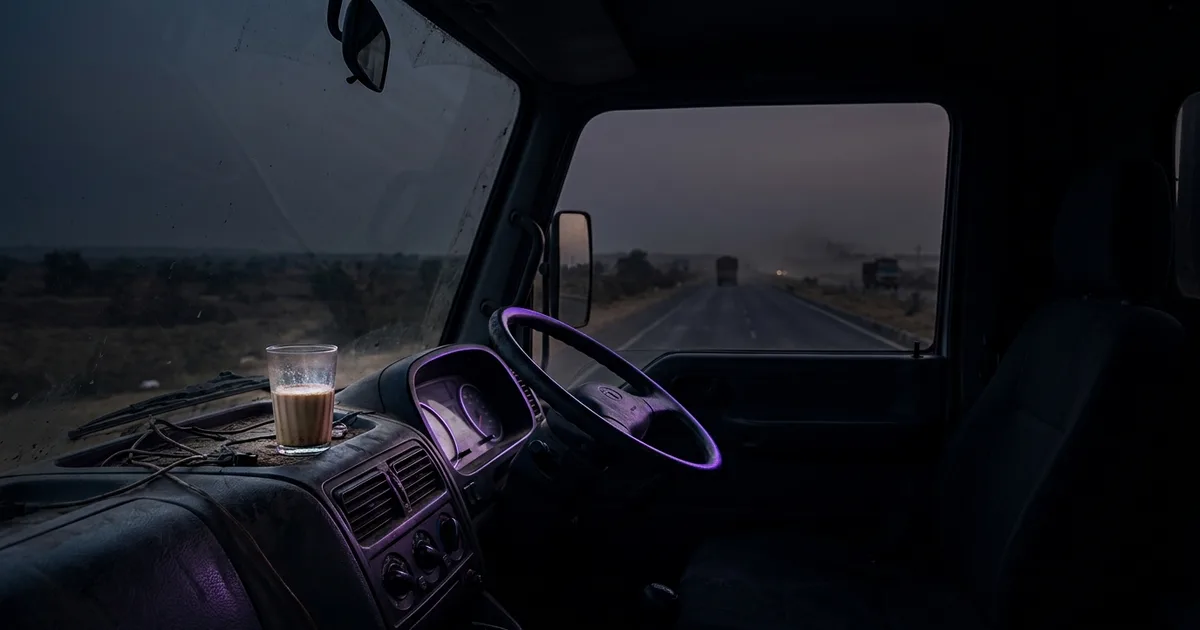
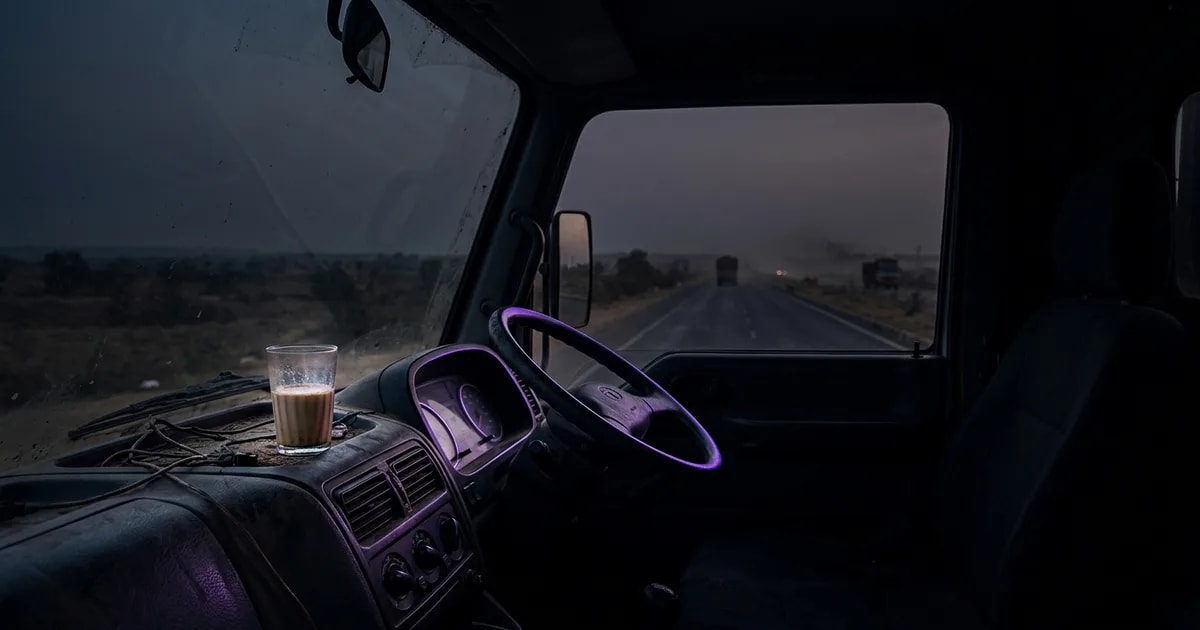
It is 3 AM. The phone rings. A police officer on the Delhi-Mumbai highway tells you your truck is overturned. The cargo is lost. The first question they ask is, "Was the driver drunk?" The question you should ask is, "Was he asleep?" This is a reality for many fleet owners. Good, experienced drivers have limits. A cup of chai at a highway dhaba only delays the body's need for rest.
Many owners have a system. They call their drivers every few hours. They ask, "Jag rahe ho, bhai?" (Are you awake, brother?). The driver will always say yes. Admitting fatigue feels like weakness. It suggests he might not make the delivery on time. So he splashes water on his face and keeps driving. You hang up feeling better, but you are part of a dangerous game. Relying on a driver to self-report fatigue is a system built on hope, not facts. A brief moment of sleep is all it takes for a disaster.
Microsleep is a brief, unintended loss of consciousness that can last from a fraction of a second to 30 seconds. For a truck driver, this is long enough to cause a major accident.
The Real Dangers of Driver Fatigue on Indian Highways
Driver fatigue is not a small problem. It is a major cause of accidents on our roads. Road traffic crashes are a leading cause of death for people aged 5-29 years worldwide, as reported by the World Health Organization. A tired driver is as dangerous as a drunk one. Their reaction time is slow. Their judgment is poor. They may not even remember the moments before a crash.
The cost of such an incident goes beyond the damaged truck and lost cargo. There are police cases, insurance claims, and potential legal action. A single accident can lead to heavy fines, which are all tracked online through the eChallan portal. For example, a crash on a key route during monsoon season can block traffic for hours. This creates huge delays for other transporters. The impact of one sleepy driver affects the entire supply chain. This is why a real solution is needed.
Driver Monitoring System (DMS) is a type of safety technology that uses a camera and software to track a driver's state. It looks for signs of drowsiness, distraction, or other unsafe behaviour.
How to Monitor Driver Fatigue in Trucks Using AI
The best answer to this problem is technology. You need a set of smart eyes inside the cabin that never blinks. This is the job of an AI-powered dashcam with a Driver Monitoring System. It uses a cabin-facing camera with infrared light to watch the driver, even in complete darkness. This is not about spying. It is about saving lives. The system tracks key signs of fatigue:
- Eye-Lid Closure: It measures how often and for how long the driver's eyes are closed.
- Head Position: A sudden head nod is a classic sign of falling asleep. The system spots it instantly.
- Yawning: The AI counts how often the driver yawns, as this is a clear sign the body needs rest.
- Distractions: It also detects mobile phone use or if the driver looks away from the road for too long.
PERCLOS is a scientific measure of drowsiness. It stands for Percentage of Eyelid Closure over time. A high PERCLOS value is a strong indicator that a driver is about to fall asleep. European authorities often mandate safety tech like this in new vehicles to improve road safety outcomes according to the European Commission.
Comparing Driver Monitoring Methods
Let's compare the different ways you might try to manage driver safety. For instance, a fleet manager for a company moving goods from factories in Pune to ports in Mumbai needs a reliable system.
| Feature | Manual Phone Calls | Basic GPS Tracking | AI Dashcam (DMS) |
|---|---|---|---|
| Fatigue Detection | Relies on honesty. | Not possible. | Real-time analysis. |
| Distraction Alerts | Not possible. | Not possible. | Spots phone use. |
| Evidence | None. | Location data only. | Video recordings. |
| Intervention | Delayed at best. | None. | Instant alerts. |
Beyond the Beep: Why Proactive Alerts Are Essential
Many safety systems just stop at making a noise. A loud beep goes off in the cabin. A tired driver can easily ignore this. The sound might startle them for a minute, but they can drift back to sleep ten kilometres later. An in-cabin beep is just a warning. It is not an intervention. This is where a smarter approach makes a huge difference.
MoboSafe’s platform does more than just beep. It triggers a two-part response. First, our system calls the driver directly. A clear, automated voice speaks to him in his own language. It tells him to pull over and rest. At the same time, it alerts the fleet manager and sends them video evidence of the event. The risk is no longer silent. It becomes a managed event.
AI Voice Calling Agent is an automated system that places a phone call and speaks to the driver using a computer-generated voice. This ensures an alert is not just heard but acted upon. For example, a driver on a long, overnight haul through Rajasthan might miss a beep, but a direct phone call is impossible to ignore.
Integrating Safety Without Replacing Your Old GPS
You might be thinking this sounds expensive. You might have already installed GPS trackers from another company in all your trucks. Many tech vendors force you to throw away your old hardware to use their new software. They lock you into their own system. We believe this is wrong and wasteful.
Our AI platform is built to be open. You can keep your existing AIS-140 GPS devices. Our dashcams and software work with them. The Automotive Industry Standard 140 (AIS-140) is a rule set by the Indian government for vehicle tracking systems. All commercial vehicles must be fitted with these devices as per rules from the Ministry of Road Transport and Highways. Our methodology involved checking our integration protocols against these official device standards published by authorities like the Automotive Research Association of India (ARAI). For instance, a fleet owner in Gujarat who recently invested in new trackers can add our dashcams without wasting money.
Data Security: Keeping Your Fleet's Information in India
There is one last important point: where is your fleet's data stored? Many devices sold in India are simply rebranded hardware from other countries. They send your truck locations, driver videos, and route details to servers outside India. This is a big security risk. You would not want the details of your vehicle, as registered on Parivahan Sewa, to be stored insecurely.
Our platform is built in India for Indian transporters. Your data is stored on servers located in India. It never leaves the country. When you look for the best AI dashcams in India, you should ask about more than just camera quality. You should ask where your data lives. With MoboSafe, the answer is simple. Your data is yours, and it stays here. For example, a company that transports high-value goods needs to be certain its route and cargo data is completely secure.
Stop gambling with driver fatigue. The cost of one accident is far greater than the investment in technology that prevents it. To learn more about our approach, you can read about our company here or contact us to schedule a demo.
Reviewed by the MoboSafe editorial team.
Tags
Written by
MoboSafe Expert Team
Logistics Technology Specialist
Contributing writer at MoboSafe.