Key takeaways
- You can legally check bike details using the Vahan portal or mParivahan app by entering the number plate.
- The owner's full name is always hidden on public portals to protect their personal privacy.
- To get full owner details after an accident, you must file a First Information Report (FIR) with the police.
- Fleet businesses that manage many vehicles need automated systems for driver verification, as manual checks are too slow.
- True fleet safety combines driver verification with real-time monitoring tools like AI dashcams to prevent accidents.
The Only Legal Way to Check a Bike's Details
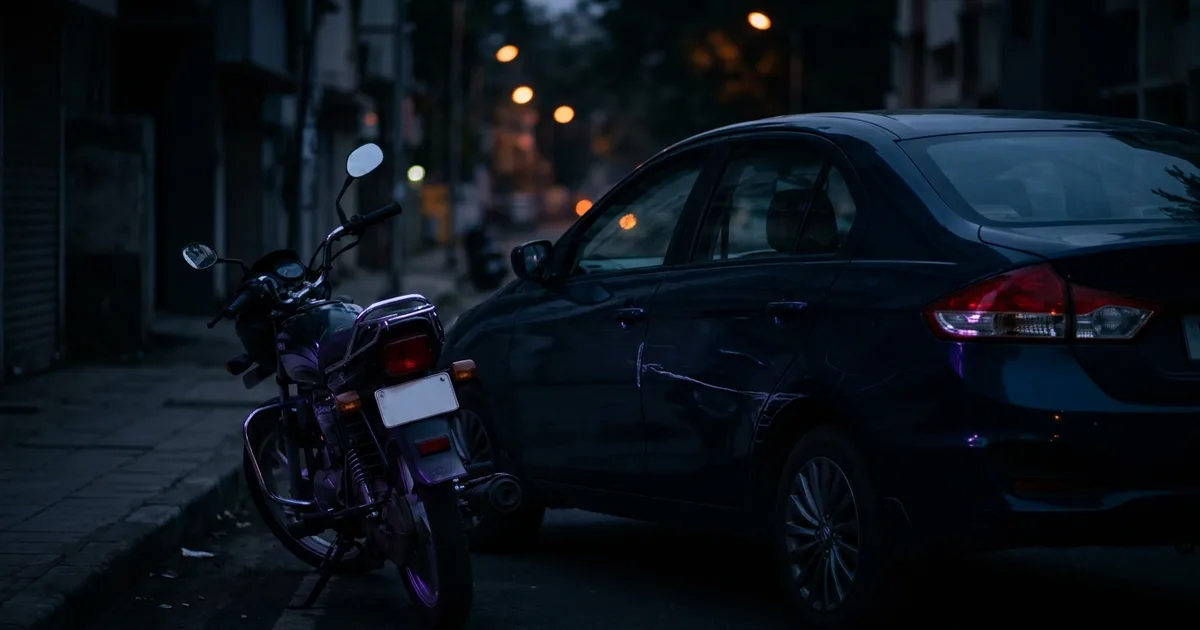
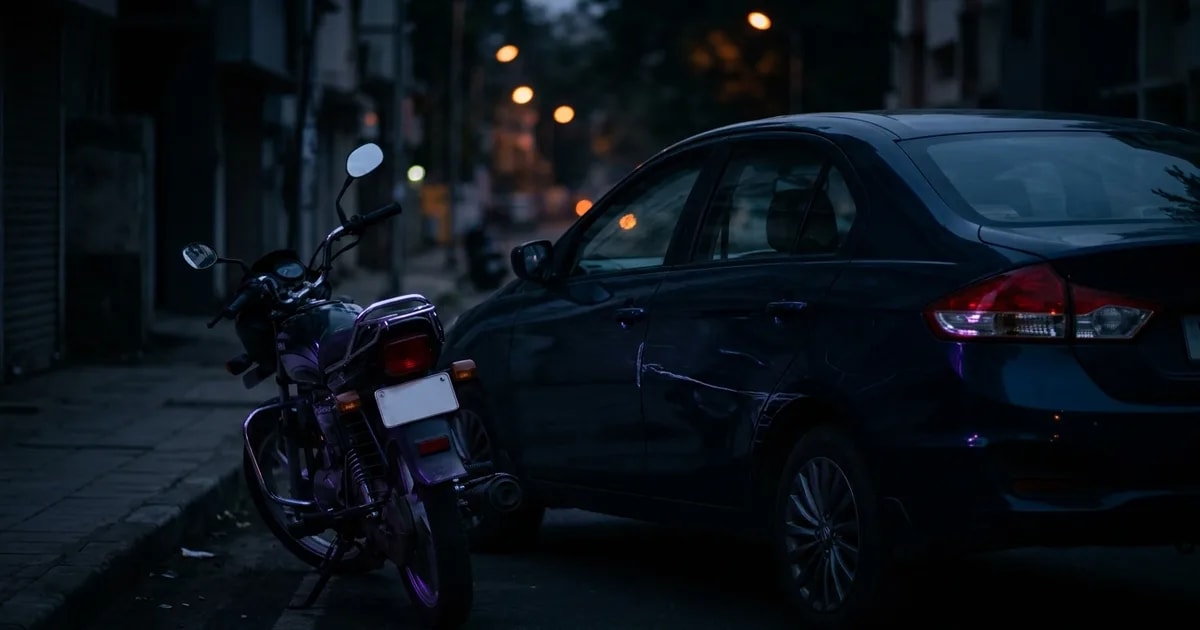
A bike scrapes your car in traffic and speeds away. You are left with just the number plate and a feeling of frustration. Your first thought is to find the owner. Thankfully, there is a correct and legal way to do this. Forget about unofficial websites that ask for money. The real method is free and government-approved.
The Government of India provides official tools through its Parivahan Sewa portal. You can use the mParivahan mobile app or the Vahan website to check vehicle details. Both access the same central database managed by the Ministry of Road Transport and Highways. This is the only official place to start.
The steps are simple:
- Go to the Vahan e-Services website or open the mParivahan app.
- Enter the full registration number of the bike, such as 'MH12AB1234'.
- Complete the captcha to prove you are a person.
- View the vehicle details that appear on the screen.
You will see a lot of information about the bike. Registration Certificate (RC) is the official document that proves a vehicle is legally registered with a Regional Transport Office (RTO). The portal shows key details from the RC, such as:
- The make and model of the bike.
- The date it was first registered.
- The status of its fitness certificate and insurance policy.
- The validity of its Pollution Under Control (PUC) certificate.
This information confirms the bike's identity. But you will quickly notice something important is missing.
Why the Owner's Full Name is Kept Private
When you look up the details, the owner's name will be partly hidden. You might see something like 'S***** Kumar' instead of the full name. The owner's address and phone number are not shown at all. This is not an error. It is a deliberate security feature.
The government masks this information to protect privacy. Personally Identifiable Information (PII) is any data that could be used to identify a specific person. Showing every owner's full name and address publicly would create a high risk of misuse and harassment. This policy follows data protection principles and protects citizens. It forces you to use the proper legal channels instead of taking matters into your own hands.
What to Do Next: File a Police Report
The partial details you get from the Vahan portal are your starting point. Take the number plate and the partly hidden name to your local police station. You must file a First Information Report (FIR) about the incident. First Information Report (FIR) is a written document prepared by police when they receive information about a cognizable offence.
Once you file an FIR, the police have the legal authority to access the complete, unmasked data from the RTO database. They can get the owner's full name and address to continue their investigation. Trying to find online shortcuts is a waste of time and can lead you to illegal data brokers. The official path through the police is the only one that works. For example, after a hit-and-run in a crowded market, your FIR gives police the legal basis to find the owner and take action using challan records from systems like the eChallan portal.
Comparing Public and Police Access to Vehicle Data
The difference between what you can see and what the police can access is important. The table below shows a clear comparison. Our methodology was simple: we checked the public data available on the Vahan Sewa website and compared it with the access rights granted to law enforcement.
| Information | Public View (on Vahan) | Police Access (with FIR) |
|---|---|---|
| Owner Name | Partially hidden. | Full name shown. |
| Full Address | Not available. | Full address shown. |
| Mobile Number | Not available. | Available if registered. |
| Vehicle Status | Available. | Available with history. |
The Problem for Businesses: Scaling Up Verification
Now, think about a different situation. You are not dealing with one scratched car. You are managing a fleet of hundreds of delivery bikes. Manually checking each number plate in an app is impossible. You need a fast, reliable, and automated way to confirm who is riding for your business. This is where consumer apps fail and professional systems are necessary.
For a business, knowing how to check bike owner details by number plate is about compliance and safety, not just accidents. For instance, a last-mile delivery startup in Bengaluru needs to onboard 50 new riders before the festive season. They cannot afford delays from manual checks. Vahan API is a service that allows software to connect directly to the national vehicle database for instant verification. MoboSafe offers a powerful vehicle verification API that integrates directly into your onboarding process. It ensures every rider and vehicle is fully compliant before they start their first trip.
From Paperwork to Potholes: Real-World Fleet Safety
Verifying a driver's papers is the first step. But it does not prevent reckless driving on the road. A valid licence does not stop a tired driver from causing an accident. The paperwork must be matched with real-world visibility to truly manage risk. Road traffic crashes kill about 1.19 million people each year globally, a problem that technology can help reduce, according to the World Health Organization.
This is why top fleets pair verification with real-time monitoring tools. Our advanced AI dashcams act as an unbiased witness on the road. They capture clear video evidence of everything from sudden braking to collisions, protecting you from false claims. Advanced Driver-Assistance Systems (ADAS) are technologies designed to help drivers and automate vehicle systems for increased safety. For example, our dashcams use ADAS features to detect and alert managers to unsafe events like tailgating or lane departure. This proactive approach to safety is becoming standard practice, with regulators in some regions making these technologies mandatory on new vehicles, as seen on the European Commission road safety portal.
For a single road incident, the mParivahan app and a police report are your best tools. But if you run a business with vehicles on Indian roads, you need an industrial-grade system. You need more than a partial name. You need a complete solution for verification, tracking, and safety. For example, a logistics firm can use our tools to check if a truck's e-Way Bill is valid before it leaves the warehouse, preventing fines at the first RTO checkpoint.
To learn more about how we help Indian fleets stay safe and compliant, read about our mission on our about page or contact us for a demo.
Reviewed by the MoboSafe editorial team.
Tags
Written by
MoboSafe Expert Team
Logistics Technology Specialist
Contributing writer at MoboSafe.