Key takeaways
- An electronic proof of delivery (ePOD) app replaces paper challans with digital proof.
- Using an ePOD app can shorten your payment cycle from over a month to just a few days.
- Digital proof like photos and geo-tags helps you quickly end payment disputes with clients.
- Integrating ePODs with systems like GPS tracking gives you full control over every delivery.
- MoboSafe's ePOD solution works offline and supports regional languages for Indian drivers.
What is an Electronic Proof of Delivery (ePOD)?
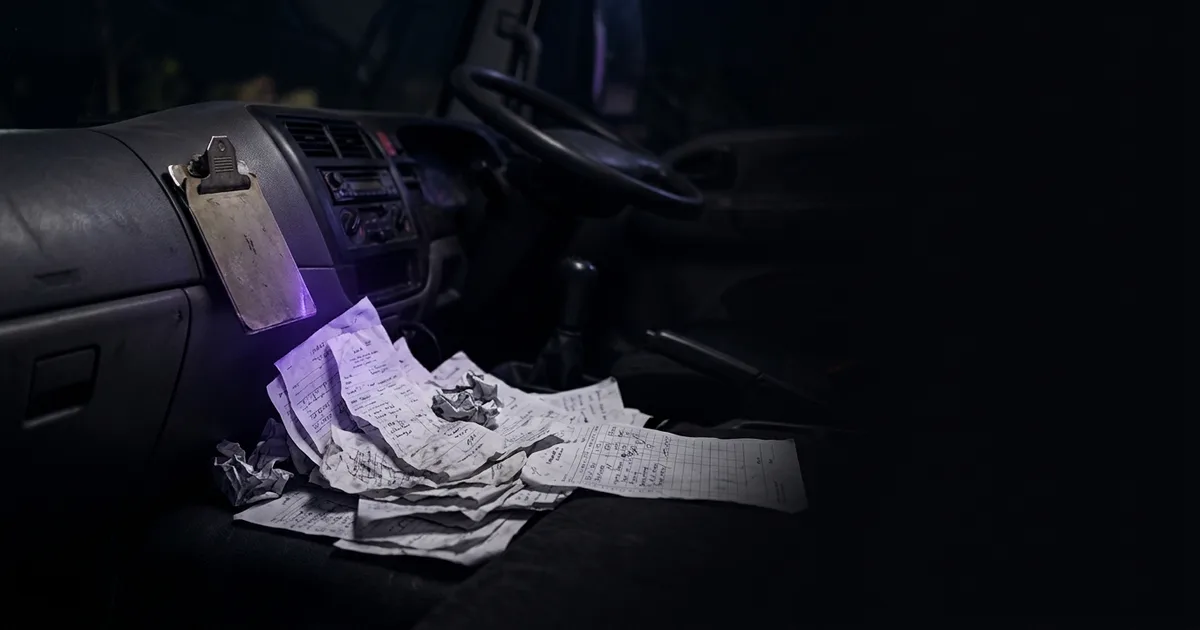
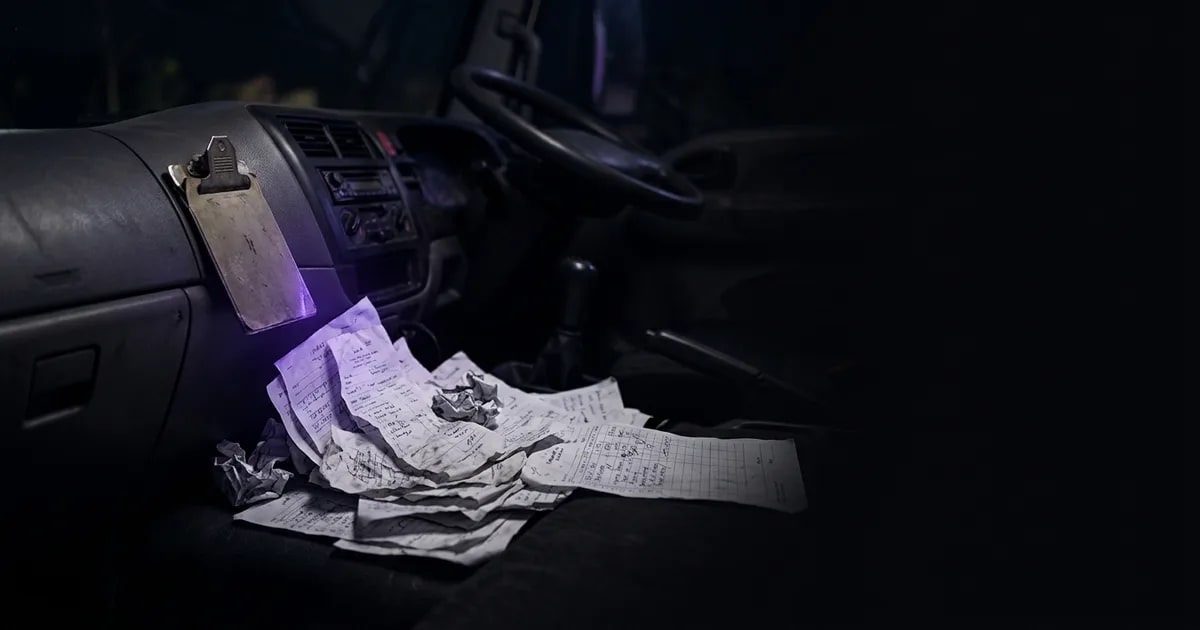
Your truck completes a long run. The driver gets a signature on a paper challan. That paper is now worth lakhs to your business. But it can get lost, stained with chai, or take weeks to return to your office by courier. This common problem blocks your cash flow. An ePOD app solves this.
An Electronic Proof of Delivery (ePOD) is a mobile application that lets drivers capture delivery confirmation digitally. It replaces the physical challan or delivery note. This shift to digital papers is supported by government platforms like the Parivahan Sewa portal, which handles many transport services online.
Instead of pen and paper, the driver uses their phone to:
- Take a photo of the delivered goods.
- Capture the receiver's signature on the screen.
- Add notes, such as any damage to a package.
- Press a button to submit the proof.
The proof is sent to your office at once. It includes a timestamp and location data. You and your client get a copy. There is no more waiting for a courier to bring back the paper.
Why Paper PODs Cost Your Fleet Money and Time
The old way of using paper is expensive. It is not just the cost of printing. The real cost is in delayed payments and the time your staff spends chasing them. A lost paper POD can hold up a payment for months. This hurts your ability to pay for fuel, tolls, and driver salaries.
A Cash Flow Cycle is the time it takes for money to move from paying expenses to receiving payment from customers. Long cycles caused by paper PODs can starve a business of cash. For example, a truck might complete a run from Chennai to Kolkata. But the fleet owner may not see payment for 45 days while waiting for the paper POD to return.
This table shows the clear difference between the old and new methods.
| Feature | Paper Proof of Delivery | Electronic Proof of Delivery (ePOD) |
|---|---|---|
| Proof submission | Weeks by courier. | Instant and online. |
| Payment cycle | 30-60 days long. | Under 7 days. |
| Dispute resolution | Hard to prove. | Clear photo evidence. |
| Risk of loss | Very high risk. | Secure cloud storage. |
The Ministry of Road Transport and Highways aims to modernise logistics in India. Moving to digital systems like ePODs is a key part of this goal. It helps make Indian supply chains faster and more reliable. A good system also helps with better GPS fleet tracking, as you know exactly when a job is finished.
How an ePOD App Solves Your Biggest Problems
An ePOD app does more than just speed up payments. It brings trust and control to your whole delivery process. It solves many daily headaches for fleet owners.
First, it ends payment disputes. A client cannot claim they did not receive goods. You have proof with a time, date, and exact location. Geo-tagging is the process of adding geographical data to a photo or file. This proves exactly where a delivery was made. For instance, if a consignee at a crowded warehouse in Bhiwandi claims a short delivery, your driver's photos provide clear evidence of what was unloaded.
Second, it makes roadside checks simpler. Traffic police or RTO officials often ask for trip papers. Having digital delivery records on hand shows you run a professional operation. This can lead to faster checks and fewer delays. It fits with the move towards digital enforcement, such as the eChallan system for traffic fines. Our methodology for this guide involved reviewing the rules for digital documents on the eWay Bill portal, which confirm their validity.
Third, it improves driver accountability. You know the exact time a delivery is completed. This helps you spot unauthorised delays or long stops at highway dhabas. It gives you a clear picture of each trip without needing to call the driver constantly. This can be combined with a robust driver verification process to ensure you have reliable staff.
Integrating ePOD with Other Fleet Technology
An ePOD app works best when it is part of a complete fleet management system. A standalone app is good, but an integrated one is much better. It connects delivery data with other important information about your trucks and drivers.
For example, linking your ePOD system with an AI dashcam solution provides visual proof of the entire delivery. You can get video footage of the goods being unloaded. This is powerful evidence against false claims of damage or theft. Telematics are systems that combine GPS technology and onboard diagnostics to track and monitor vehicles. When telematics data is combined with ePODs, you get a full story of every delivery.
This integration also helps with safety. A driver who is worried about getting a signature and returning a paper POD might rush. This stress can lead to unsafe driving. Road traffic injuries are a major public health issue, and driver fatigue is a known risk factor according to the World Health Organization. A simple, quick ePOD process reduces driver stress.
Finally, good data helps with compliance. Accurate, timestamped delivery records are essential for correct invoicing under the Goods and Services Tax (GST) system. This information can be fed directly into your accounting software. This reduces errors and ensures you comply with rules set on the official GST portal.
Choosing the Right ePOD App for Your Indian Fleet
Not all ePOD apps are built for Indian conditions. When you choose an app, look for features that solve real-world problems for your drivers and staff.
Here are key features to look for:
- Offline Mode. The app must work even without an internet connection. It should save the data and upload it once the driver is back in a network area.
- Regional Languages. An app in English is not enough. It should support Hindi, Tamil, Bengali, and other languages your drivers speak.
- Simple Interface. The app must be very easy to use. Drivers should be able to learn it in minutes, with big buttons and clear steps.
- System Integration. It should connect easily with your other software, such as accounting tools or a fleet management software platform.
A User Interface (UI) is the part of the app that the driver sees and interacts with. A simple UI is the most important factor for successful rollout with your team. For instance, a driver making deliveries in rural Rajasthan will face network issues. An app that works offline is not a luxury, it is a basic need for them.
The goal is to make your driver's job easier, not harder. A well-designed ePOD app removes the stress of handling important papers. It lets them focus on driving safely and completing their deliveries on time.
An ePOD app is a small change that brings big results. It fixes your cash flow, reduces disputes, and makes your whole operation more professional. Stop letting lost paper control your business. By moving to a digital system, you take control of your payments and your future.
To learn more about how MoboSafe's integrated solutions can help your business, you can read more about us or contact our team to schedule a demo.
Reviewed by the MoboSafe editorial team.
Tags
Written by
MoboSafe Expert Team
Logistics Technology Specialist
Contributing writer at MoboSafe.