Key takeaways
- A single road-facing dashcam only tells half the story in an accident.
- A dual channel dashcam for fleet vehicles adds a cabin view to monitor driver behaviour.
- Cabin footage is critical for fighting false accident claims and reducing insurance costs.
- This technology helps prevent internal issues like driver fatigue, phone use, and theft.
- Modern software platforms can use this data with AI to proactively manage fleet safety.
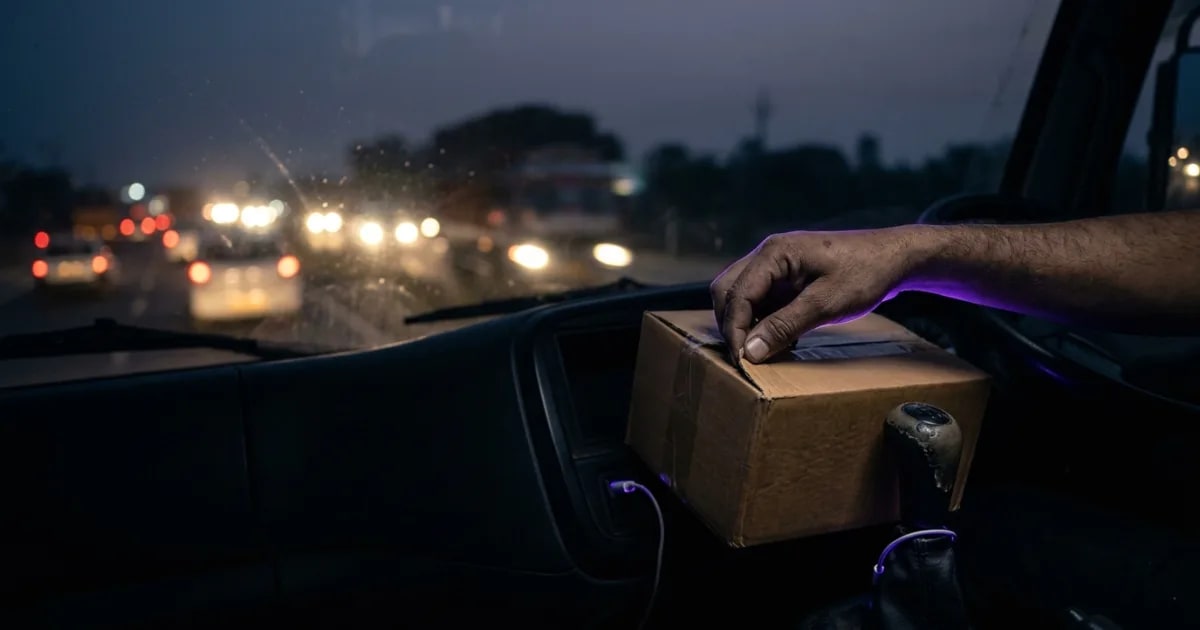
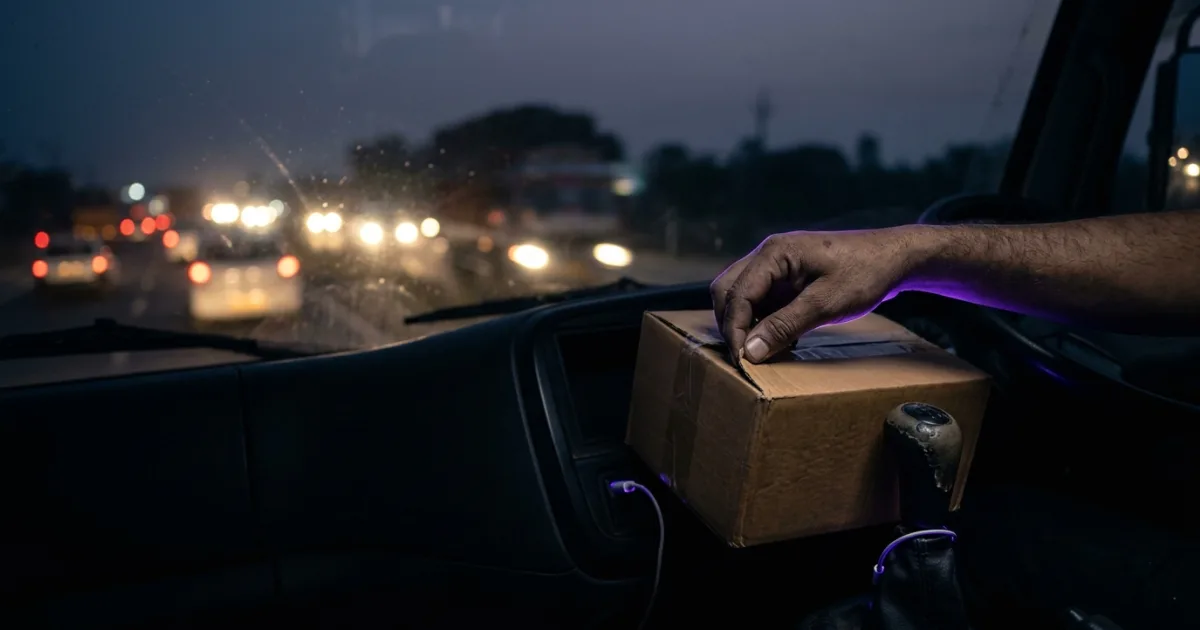
You get a call at 3 AM. Your truck, running a load from Delhi to Mumbai, has been in an accident. Your driver swears the other guy cut him off. The forward-facing dashcam video seems to support this. But you have a nagging doubt. What was your driver doing right before the crash? Was he watching the road or his phone? This is the blind spot that costs Indian fleet owners crores every year.
A dual channel dashcam for fleet vehicles records two video streams at once: one facing the road and one facing the driver in the cabin. This dual view is critical for complete incident analysis. The forward camera captures external events, such as another vehicle's actions. The cabin camera provides context by monitoring driver behaviour, proving they were not distracted, drowsy, or on their phone. For instance, in a contested accident claim, cabin footage can instantly prove your driver’s attentiveness, saving you from wrongful liability and increased insurance premiums. It also acts as a powerful deterrent against internal issues like unauthorised passengers or fuel siphoning schemes planned inside the cab. Under the Motor Vehicles (Amendment) Act, 2019, video evidence is admissible, making this technology a vital tool for defending against heavy challans and legal disputes. This comprehensive proof protects your assets, drivers, and bottom line far more than a single-view camera ever could.
Why Your Road-Facing Camera is Only Half the Story
Most fleet owners start with a simple front-facing camera. It feels like a smart move. You can see what happened on the road. But this view lacks context. It shows what happened, not why it happened. For instance, your truck brakes hard. The front camera shows a clear road. Was the driver avoiding a pothole? Or did he drop his chai? You have no idea.
This missing information is where you lose money. An insurance adjuster can argue your driver was negligent. A corrupt RTO babu can issue a heavy challan, and you have no solid proof to fight it. Forward-Facing Dashcam is a device that records the view through the vehicle's front windscreen. It is great for capturing external events but offers zero insight into the driver's actions or the cabin environment.
The Cabin View: Your Unblinking Witness
Adding a second, cabin-facing lens changes the game completely. Suddenly, you have the full picture. That hard braking event is now paired with video of the driver yawning widely. The side-swipe incident is now paired with footage of the driver looking at his mobile phone. There is no more guesswork.
This is not about spying. It is about safety and accountability. Driver fatigue is a huge killer on our highways, a fact supported by global data from organizations like the World Health Organization. Our AI Dashcams can detect signs of drowsiness or distraction and send an alert. For example, if a driver's eyes close for too long, our system can trigger a real-time notification to the fleet manager. This proactive approach prevents accidents before they happen.
Driver Monitoring System (DMS) is a technology, often using an in-cab camera, that tracks a driver's state for signs of fatigue, distraction, or unsafe behaviour like mobile phone use.
The Real Money: How a Dual Channel Dashcam for Fleet Operations Saves Lakhs
Let's talk about the bottom line. A dual channel setup is not a cost. It is an investment with a clear return.
- Fighting False Claims: When an accident happens, the other party might lie to escape blame. Cabin footage proves your driver was alert and focused, shutting down false claims instantly.
- Reducing Challans: Got a bogus speeding ticket? Video evidence with location and speed data can be used to contest unjust fines on the eChallan portal.
- Stopping Internal Theft: Many fuel theft plans are hatched inside the cab. An always-on cabin camera discourages unauthorised passengers and coordination for siphoning diesel at a highway dhaba.
The difference is clear. We see clients save thousands per truck each year just by eliminating one or two fraudulent claims.
Single vs. Dual Channel Dashcam
| Feature | Single Channel (Road Only) | Dual Channel (Road + Cabin) |
|---|---|---|
| Accident Proof | Partial story. | Full context. |
| Driver Monitoring | None. | Tracks fatigue. |
| Theft Prevention | Very limited. | Catches insiders. |
| Insurance Claims | Can be disputed. | Stronger evidence. |
Beyond Just Cameras: The Software is Your Real Control Tower
Many companies will try to sell you hardware. They will talk about camera resolution and storage cards. That stuff matters, but it is not the main thing. The real power is in the software platform that processes the video feeds.
At MoboSafe, our AI Control Tower is hardware-agnostic. A Hardware-Agnostic Platform is software that can work with GPS devices or dashcams from many different manufacturers. This means you do not have to throw away your old GPS trackers to use our advanced software. You can integrate your existing devices and upgrade over time. This makes us one of the best truck dashcams solutions for mixed fleets.
We take it a step further. Our platform has world-first AI Voice Calling Agents. For instance, if our system detects three harsh braking events in ten minutes, it does not just send an alert. Our AI agent proactively calls the driver or fleet manager. It asks, in Hindi or another local language, if there is a problem. This is active safety management, not passive monitoring.
Your Data Stays in India. Period.
Where is your fleet's data stored? Do you know? Most international providers use servers in Singapore, Europe, or the US. This exposes your operational data to foreign laws and potential breaches. Your route history, driver details, and cargo information are sensitive assets.
MoboSafe guarantees data sovereignty. Data Sovereignty is the concept that information is subject to the laws and governance structures of the nation where it is collected. Our software is built in India, for Indian transporters. Your data is stored on servers located within India. It never leaves. This is a core promise we make to our clients. Our methodology for ensuring this involves a complete domestic tech stack, a commitment you can verify. This secure approach is vital when you use linked services such as our Vahan Driver Verification API, which handles sensitive driver data sourced from official records like Parivahan Sewa.
Frequently Asked Questions
-
What exactly is a dual channel dashcam for a fleet?
It is a vehicle surveillance system with two cameras working as one unit. One camera records the road ahead, and the other records the inside of the truck's cabin, including the driver. Both video feeds are often stored together with time and location data.
-
Do cabin-facing cameras record audio?
They can, but it is often disabled for privacy reasons. MoboSafe allows fleet managers to configure audio recording based on company policy and local regulations. The primary goal is video evidence of driver actions, not conversations.
-
Is it legal to have a camera facing the driver in India?
Yes, it is legal for commercial vehicle owners to monitor their assets and employee conduct during work hours. It is essential to have a clear company policy that informs drivers about the presence and purpose of in-cabin cameras.
The choice is simple. You can continue operating with a blind spot, hoping your drivers are telling the truth. Or you can get the full picture, protect your trucks, and run a smarter, safer fleet. A single camera tells a story. A dual channel dashcam tells the truth. To learn more about our approach, you can read about our company here or get in touch with our team directly via our contact page.
Reviewed by the MoboSafe editorial team.
Tags
Written by
MoboSafe Expert Team
Logistics Technology Specialist
Contributing writer at MoboSafe.